
Total health resources
Health is made up of multiple factors, including regular exercise, proper sleep and balanced nutrition. Having the right tools and support in and outside the home can make it easier to take care of your health.
Explore a range of resources from health experts – including webinars, videos, podcasts and publications – to help with your health and everyday life.
Explore health resources
Exercise resources
Regular movement and exercise is key to a healthy you. Exercise offers a range of benefits for your physical health and mental wellbeing. It can also be a great way to manage MS symptoms, such as fatigue, and boost brain health.
Explore exercise resources
Nutrition
A nutritious diet is all-important to living a healthy life. Nutrition gives the body energy, supports growth and repair, while also regulating processes. If you have a neurological condition, eating a balanced diet can help you improve your health and manage symptoms.
Learn more about nutrition
Sleep
Sleep helps your body and brain function. As you sleep, various biological tasks take place, such as brain development, physical recovery and repair, cardiac (heart) function and body metabolism.
Sleep also supports learning and improves mood and memory. A lack of quality sleep can lead to drowsiness and make some symptoms worse, so it’s worth doing what you can to improve your sleep.
Learn more about sleep
Pregnancy and family planning
MS is often diagnosed in people aged from 20 to 40, when you may be considering having a child. It’s natural to have questions about how MS may affect your fertility or pregnancy experience. The good news is that you can have a healthy pregnancy with MS.
You may experience a worsening in some symptoms during your pregnancy such as bladder problems, fatigue and heat sensitivity. There are some MS medications that may be used during pregnancy and breastfeeding, and it's important to discuss this with your neurologist as soon as you know you are pregnant.
Learn more about family planning
Learn more about MS
Support & services
Need MS support or help with another neurological condition? MS Plus has six decades of experience supporting people through challenges to live will.
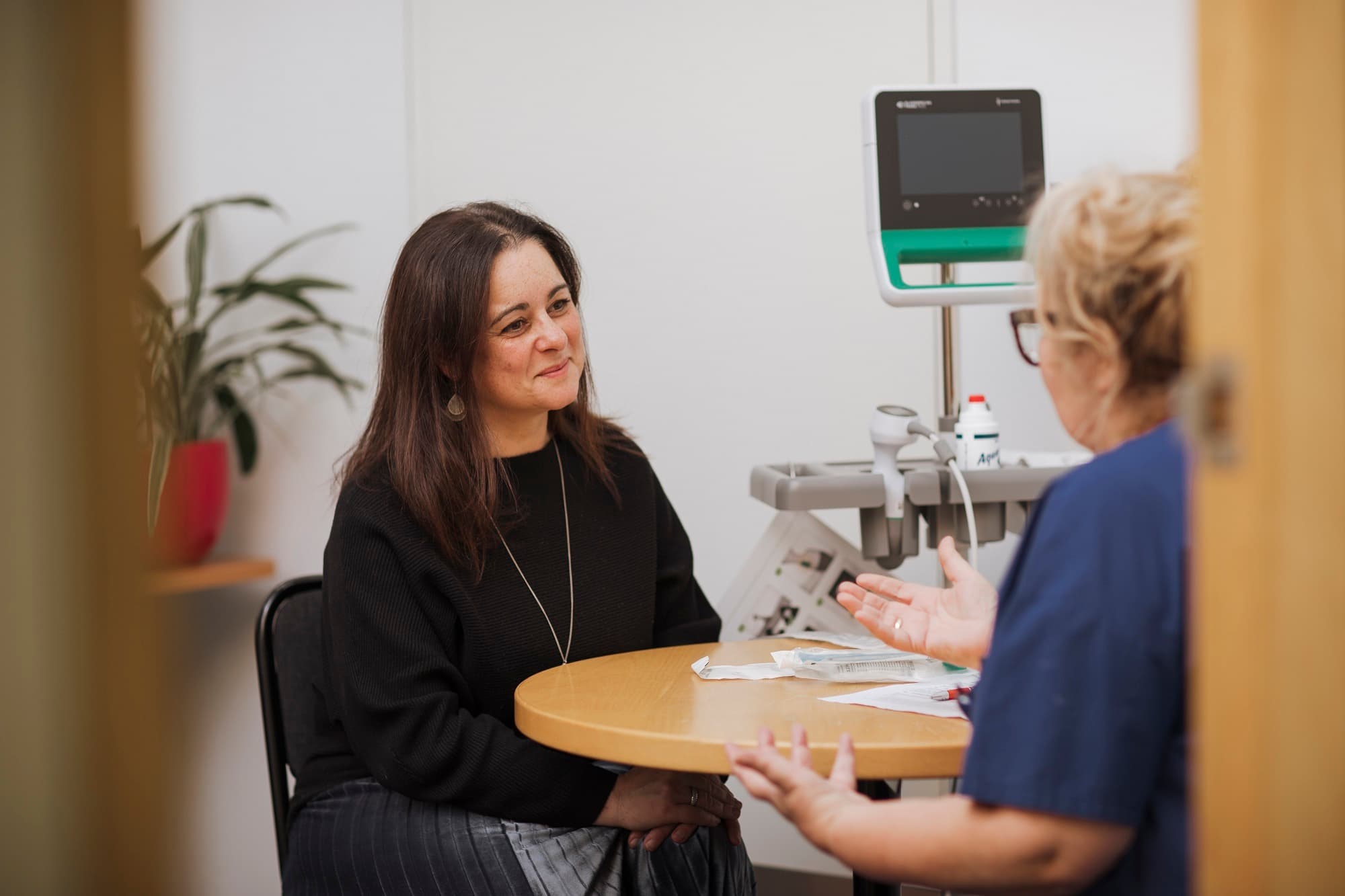
Newly diagnosed
If you’ve recently received a multiple sclerosis diagnosis, it’s normal to feel scared and confused. But we want you to know that MS doesn’t necessarily lead to significant disability. You can live well with MS. And we’re here to help you do that.

Resource hub
We host free resources covering a range of topics to promote neurological wellbeing. Our podcasts, webinars, and articles feature the latest information with expert advice.