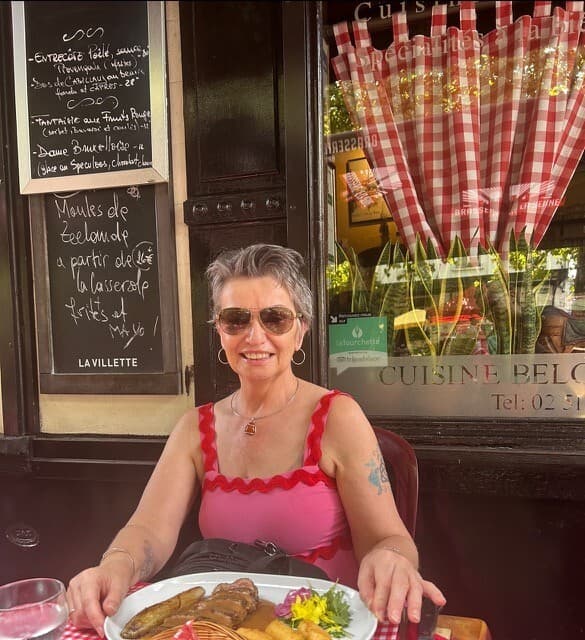
After Jacqui decided to retire from teaching in 2022, she finally felt able to slow down, take stock and pay more attention to her health.
“I was teaching English and French full time but finding it harder and harder. I soon had to reduce it to four, then three days a week. I eventually decided when I was 57 and working 3 days a week that even with the meds, I found it just too hard to continue.
“I made the decision in 2022 to take early retirement. I wanted to make the most of my life while I could. I had been teaching for 32 years and I didn’t know how my life would pan out with the MS and realised I wanted to see more of the world,” Jacqui says.
The transition wasn’t always an easy one, but gradually Jacqui turned her attention to old, and new, hobbies and interests.
“It was challenging at first because I had been connected to my identity as a teacher for so long and I had a big social network of friends through teaching, so at first I wondered what I had done,” Jacqui says.
“When I was still working, I would walk from my car to the office and I would be dragging my leg because it was numb. After retiring I had more energy, and it felt liberating not worrying about having to call in sick. I could take control of my life, not be controlled by the school bell and schedule. Although I missed teaching, I was giving myself the opportunity to respect my MS more.
“It’s also given me time to spend with my family, as my dad isn’t well. I exercise more, I got into painting and actually found my creative side (which I didn’t know I had!).
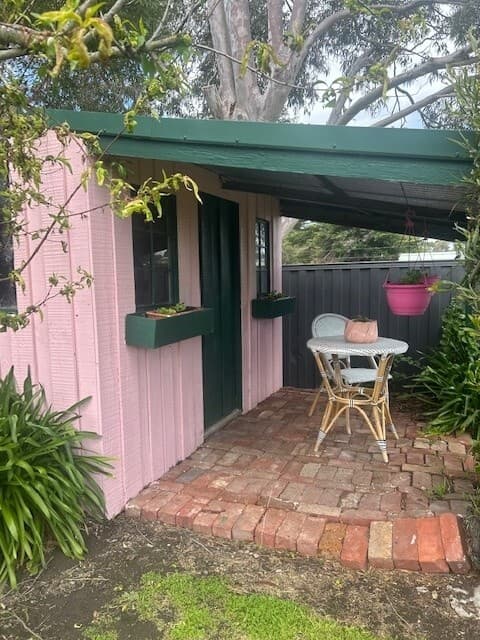
“I love French culture, so I painted my shed in the colours of Monet’s house (green with pink shutters). I have issues with my fine motor skills but I find I can hold a paint brush so I got into that and started painting my house. I have anxiety and I found painting really really soothing.”
Off on the solo adventure of a lifetime
It was not long after that Jacqui, who was born in Scotland, began to have the urge to travel. She hadn’t been home in 14 years, so she and a friend took a trip to Scotland and France last year. That trip gave Jacqui the confidence she needed to think even bigger — a three-week solo trip to Brussels.
“I used the MS to give me the strength to do something I’ve always wanted to do. It gave me a goal to work towards.
“The easy part was organising it but then on the day when I was going to the airport, my son was driving me and I had a bit of a panic attack. He said, ‘Mum, you’ve got this, you can do it’.”
Jacqui, whose symptoms include difficulty walking at times, temperature sensitivity, trouble swallowing and tremors, wore the sunflower lanyard (the symbol for invisible disabilities) and requested wheelchair transport at the airport, although she was reluctant to at first.
“Mum said I should get support at the airport. I was adamant I didn’t want it but then a lady I see for therapy said ‘You will sit on that buggy like a queen!’, it really changed my perspective.
“I also found the sunflower lanyard to be helpful on the plane and at the airport at Brussels. An airport staff member approached me and asked what my disability was. I told him in French that it was MS and he looked it up and he was then very helpful in assisting me to check in and mentioned that I must be finding all the lights a bit overwhelming, which was true.”
Arriving in Brussels, Jacqui found the weather was perfect for MS (not too hot or too cold) and quickly settled into the European lifestyle, enjoying cafes and the stunning local architecture. She took trips to Antwerp and Bruges and other smaller towns, paying a few Euros extra to go in first class train carriages for the air conditioning.
“I didn’t even feel nervous. I would try new things, pushing myself out of my comfort zone.”
Getting comfortable asking for help
Then Jacqui began to struggle with homesickness and the usual challenges of travel, made more difficult with MS.
“I was really missing my family and Australia. Even my family in Scotland felt far away and that’s when being alone really hit me.
“I got some blisters and was struggling to walk, so I went on the train to where the streets were easier to walk on. The streets in Brussels were narrow and cobbled whereas the Flemish towns had far wider streets and smoother surfaces.”
Then in the second week of Jacqui’s trip, Belgium was hit by a heatwave from Marseille in the South of France and it became really humid. In addition, the crowds descended for the beginning of the school holidays.
“I almost went home but I dug deep. I had set myself this goal of being in Belgium for three weeks and I wanted to stick to it and see it through. I was determined to stay.
“That’s when I found my voice. I started by asking the breakfast lady at the hotel if I could secure the same spot every morning, near a window with a breeze.
“Despite the humidity in that second week, when it was becoming almost impossible to walk, it brought me into the present and I started living like a local. I would go to the supermarket and anywhere close to where I was based. It made me really mindful and I took in every single detail in my surroundings. This practice of mindfulness also seemed to ease some of my MS symptoms.
“I found places really close to me that I wouldn’t have otherwise found, such as local cafes, where I got to know the wait staff. I learned so much about Belgian history and culture from those conversations.
“I also bought a watercolour travelling book, which helped to calm my nervous system and would sit in air conditioned cafes or at airports and paint in watercolours. Whenever I felt overwhelmed in busy places, I would start painting and it brought me back to the present moment and calmed me down.
“Don’t get me wrong there were days when it was really challenging, when I didn’t know how I was going to get through the day. I just always had iced water, would sit outside to try and get a breeze. I found a modern art gallery right near the hotel that I didn’t realise was there. I just had to keep finding ways to adapt.
“I did start using my walking stick a lot. I also realised it was time to ask my OT, when I returned to Australia, about an external walker. She had raised it with me and I had always resisted, but I knew during this trip that it was time.
“Rather than being told what I needed, I was able to come to the decision by myself. I see now there is no stigma in using an external walker at all, in fact it’s actually going to enable me to see places. My MS was right there in front of me in Belgium, I knew I couldn’t pretend any more.
Ultimately the trip gave Jacqui an incredible gift — recognising her own strength.
“By the end I was loving my own company and the trip really made me truly understand what I’m capable of. It was incredibly life changing and empowering.
Having enjoyed weeks of speaking French without having to interpret, as she would have for her students or friends, now that she’s home again Jacqui is diving head first into her French, reading French books, listening to French podcasts and is already planning her next trip.
“When I first arrived in Belgium, the taxi driver from the airport was talking to me in French but I was so jet lagged all I could say was ‘oui oui’. However, three weeks later, on the way back to the airport, I spoke with the taxi driver in French the whole time. It’s like painting for me, speaking in a second language really takes me out of my MS, it’s so immersive.”
Jacqui’s tips for travelling with MS:
- Prepare: Maybe avoid Europe in July and August, due to the heat and the crowds. Try to travel in off-peak times when places will be quieter.
- Check that your hotel has air conditioning
- Alert hotel staff about your disability
- Stay a fairly close distance from public transport, pharmacy, supermarket, doctor
- Get a cooling neck tie and cooling vest.
- Make sure you have all your meds, antivirals, antibiotics, masks, covid tests.
- Bring lightweight, layered clothing suitable for where you’re travelling. On the flip side it can be very cold on the plane so bring a warm jacket.
- Keep stretching on the plane, which really helped me manage the tremors.
- Have a really positive attitude.
- Ask for help if needed
- Take rest days when needed as travelling can trigger fatigue
- Don’t let your fear stop you from doing something. I was scared. Keep finding ways to keep going. Make the most of the situation you’re in. Find enjoyment in a different way, it forces you to think outside of the box.
Related articles
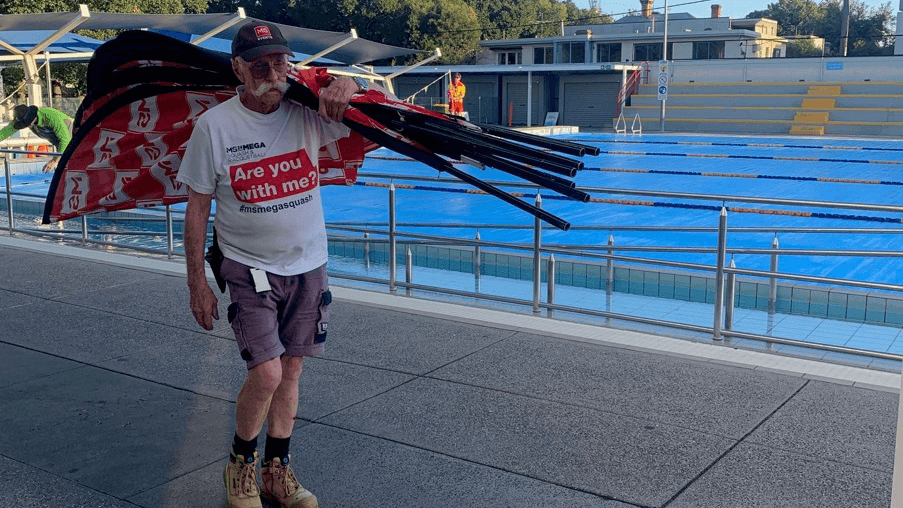
Meet Duncan: the volunteer who shows up every day
Meet Duncan, a dedicated MS Plus volunteer whose 20+ years of service, reliability and quiet commitment have helped support people living with MS and other neurological conditions.
- News
- 24 August 2026
The power of Peer Support: Marianne and Marie’s story
Marianne and Marie met through MS Plus Peer Talk and formed a lasting friendship, showing the power of peer support for people living with MS.
- News
- +1
- 10 August 2026
Art as connection: How Ari and Jade share creativity and care
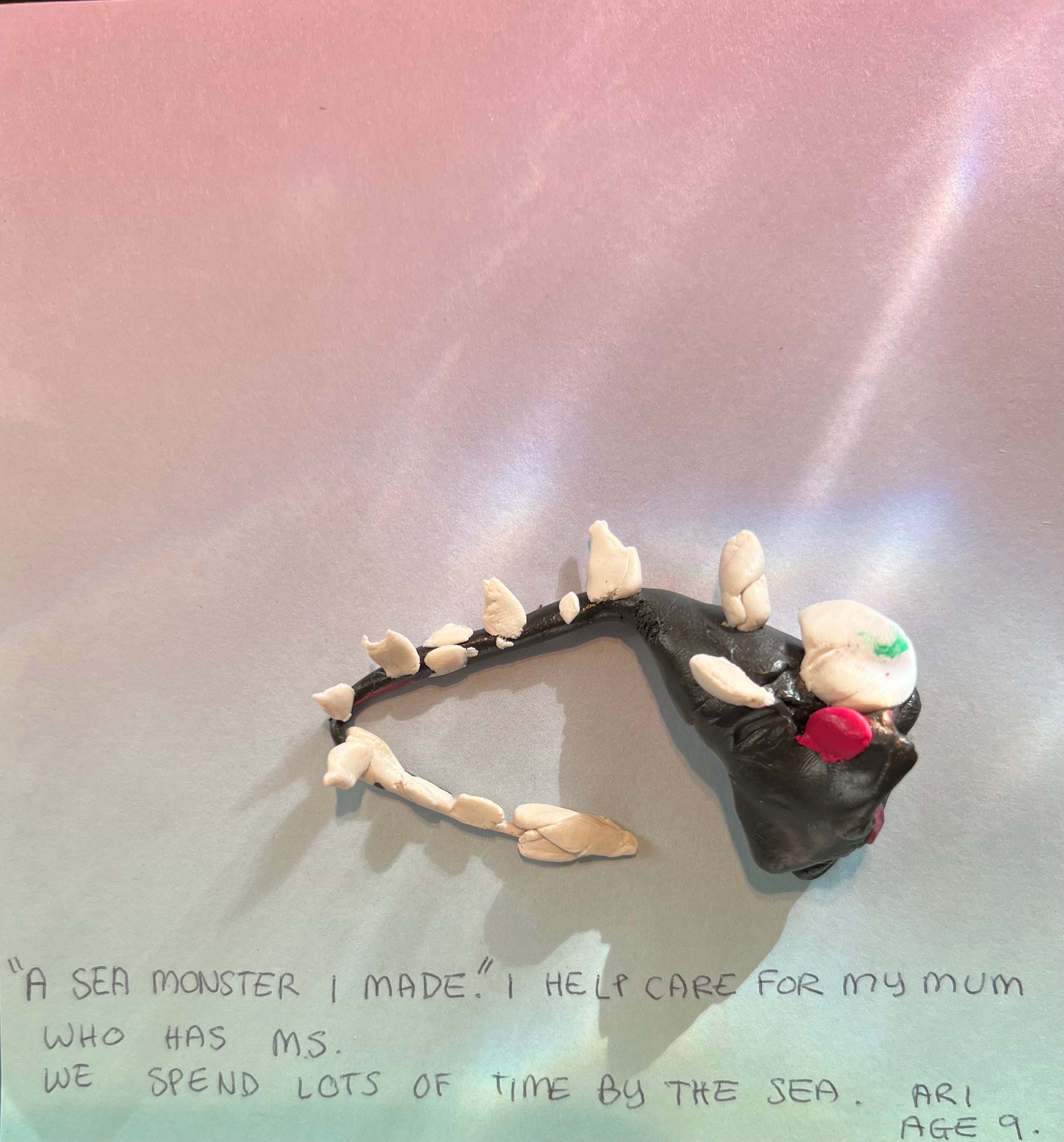
For as long as nine-year-old Ari can remember, art has been an important part of his life. So last year, Ari’s mum Jade encouraged him to enter MS Plus’ Virtual Art Show, which celebrates a range of visual art, including paintings, illustrations, sculptures, craft, digital artwork and photography.
- News
- 25 July 2026