
Support to keep working: Santo’s story
Discover how MS Plus Employment Support Service has helped Santo stay employed for 30 years after his MS diagnosis through personalised workplace support.

- 20 October 2026
Your spring and summer wellbeing guide
Make the most of spring and summer with practical tips for managing heat sensitivity, staying active, conserving energy and supporting your wellbeing while living with MS or another neurological condition.
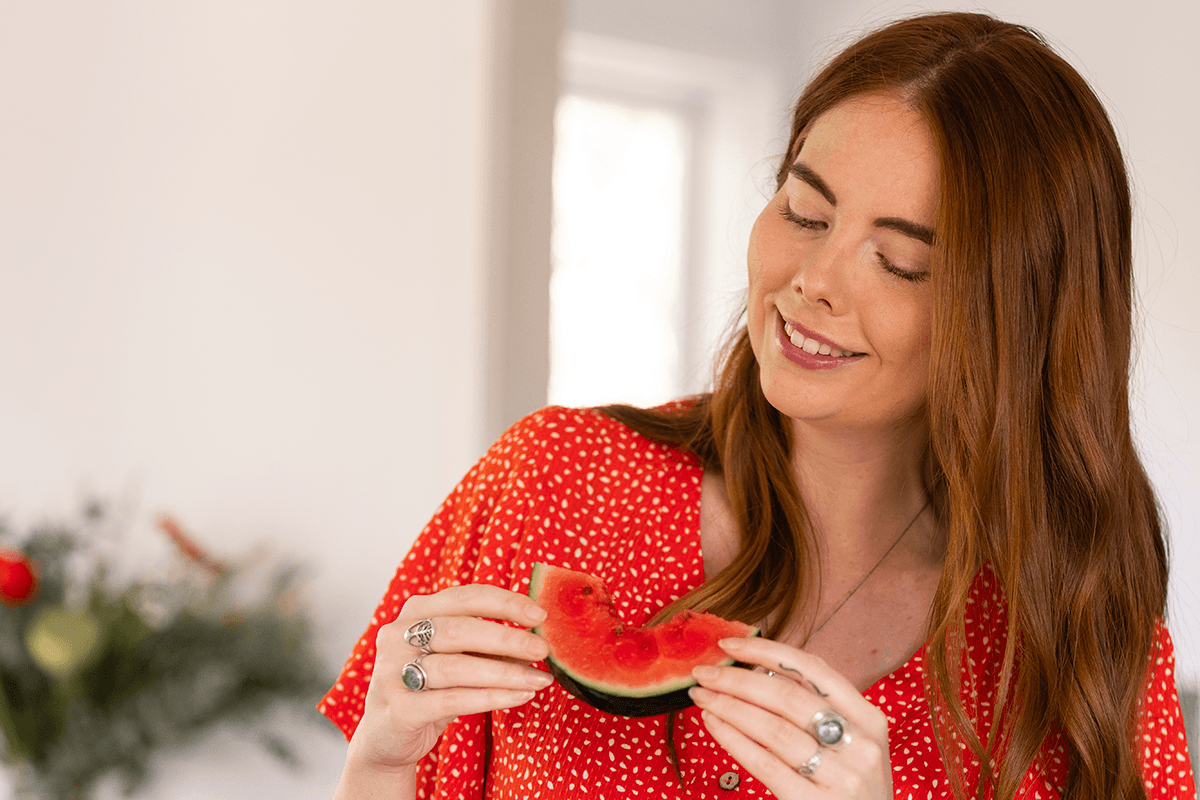
- 15 October 2026
Ask Nurse Amy: Staying cool and confident this summer
Learn why heat can worsen MS symptoms and discover practical strategies to stay cool, manage fatigue, stay active and enjoy summer with confidence.
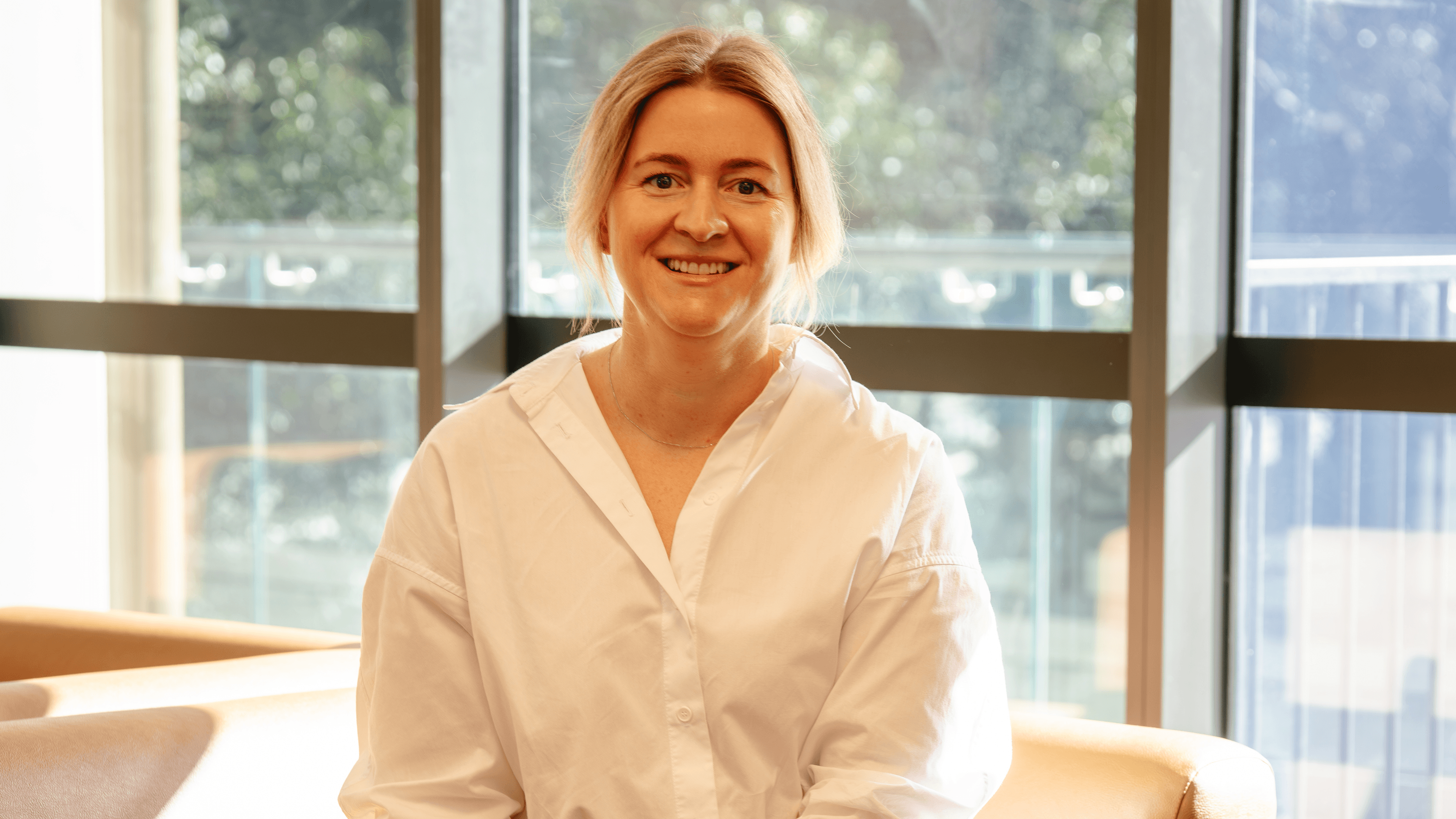
- 15 October 2026
Supporting independence every day
Discover how occupational therapists help people with MS build independence, manage fatigue, stay connected and achieve their goals with practical strategies and support.
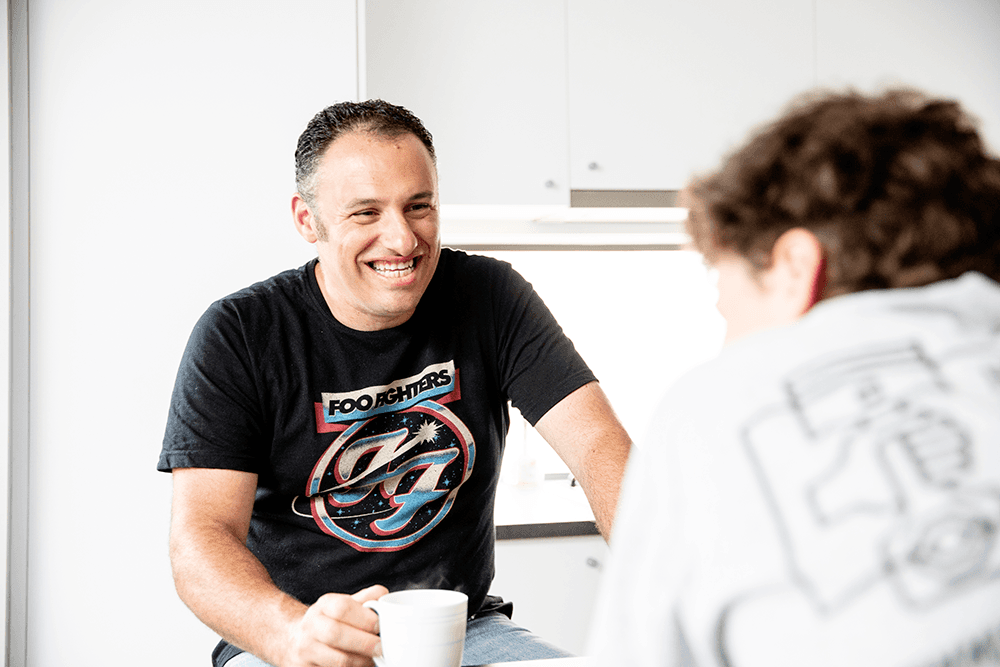
- 15 October 2026
How our services are changing lives: Measuring what matters
Discover how MS Plus services are improving quality of life, independence and wellbeing, with measurable outcomes that show the impact of specialist care.

- 15 October 2026
Finding confidence at work: Jessica’s story
After her MS diagnosis, Jessica faced the challenge of returning to work while managing new symptoms. With support from MS Plus Employment Support Service, she found practical strategies, specialist guidance and the confidence to stay employed.

- 6 October 2026
Celebrating 45 years of the MS Gong Ride
Celebrate 45 years of the MS Gong Ride and its impact on people living with MS. Join riders, volunteers and supporters on 1 November 2026.
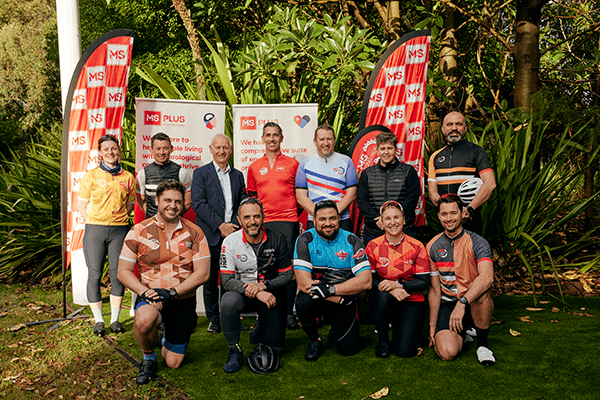
- +1
- 22 September 2026
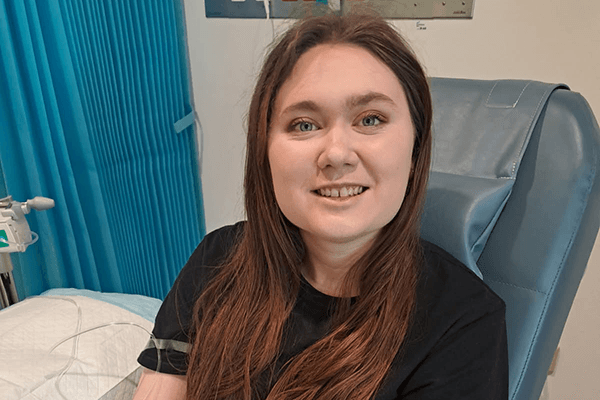
Sparkles on my Brain: Georgina’s story
After being diagnosed with MS, Georgina Haig turned her experience into award-winning artwork. Read the inspiring story behind Sparkles on my Brain.
- 22 September 2026
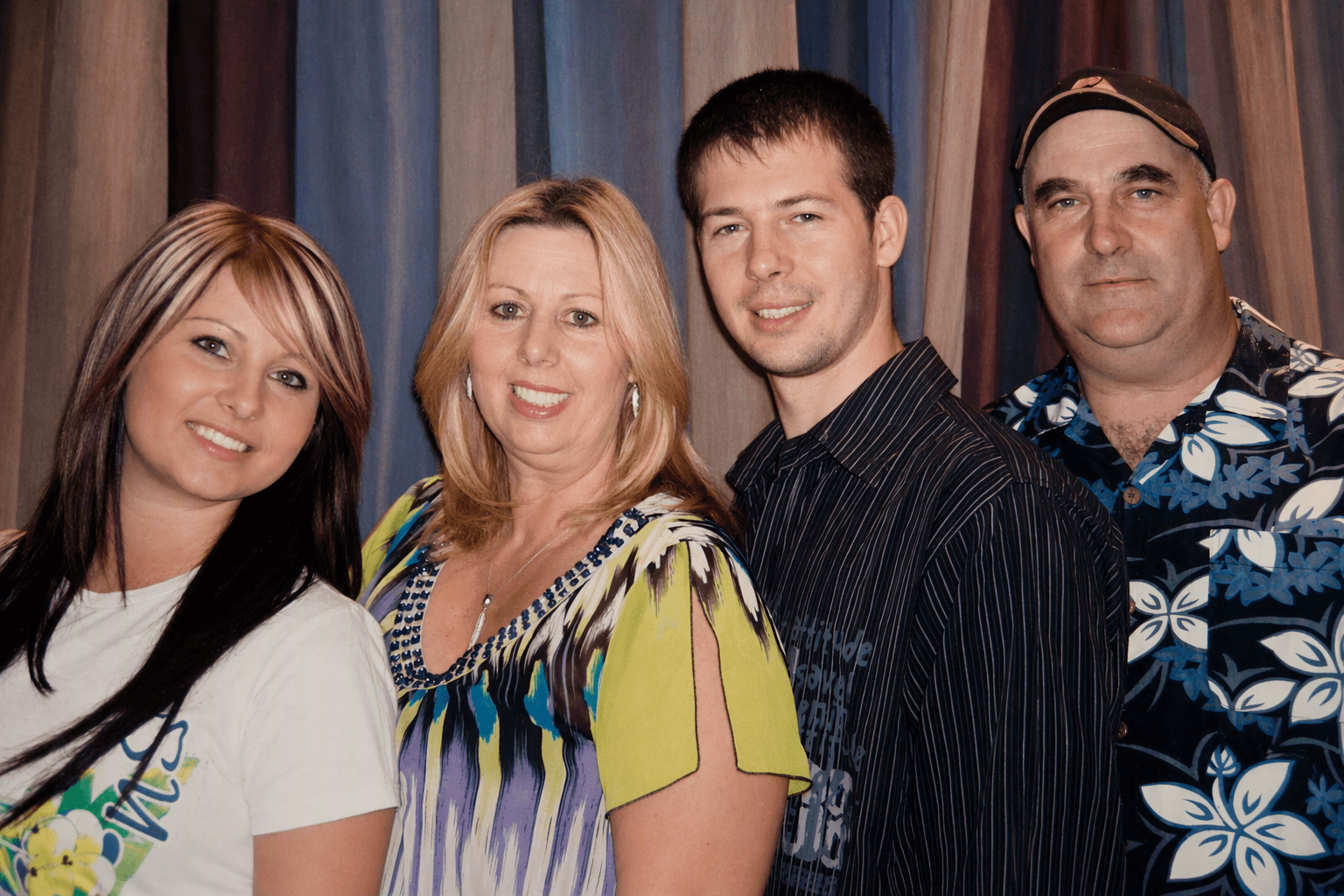
Making the best of it: Greg’s story
After a delayed MS diagnosis, Greg found strength in family, treatment and peer support. Read his story of resilience, adaptation and connection.
- 7 September 2026
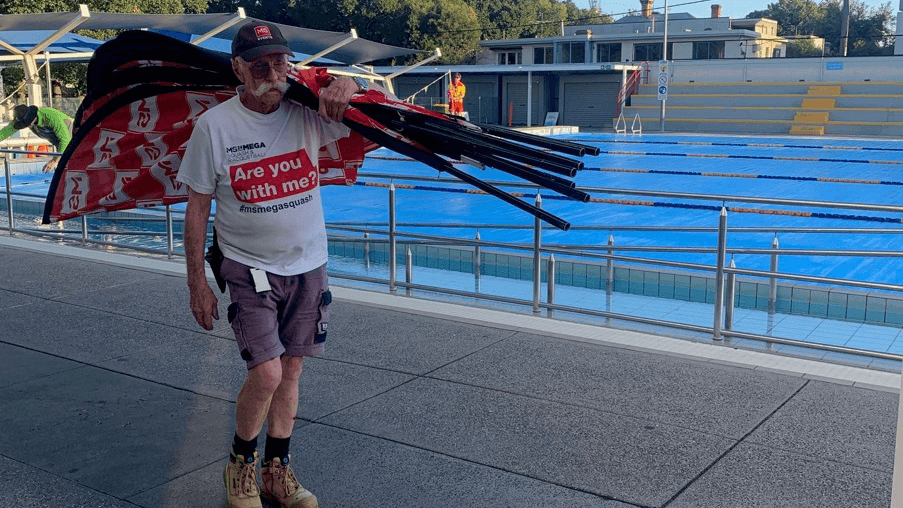
Meet Duncan: the volunteer who shows up every day
Meet Duncan, a dedicated MS Plus volunteer whose 20+ years of service, reliability and quiet commitment have helped support people living with MS and other neurological conditions.
- 25 August 2026
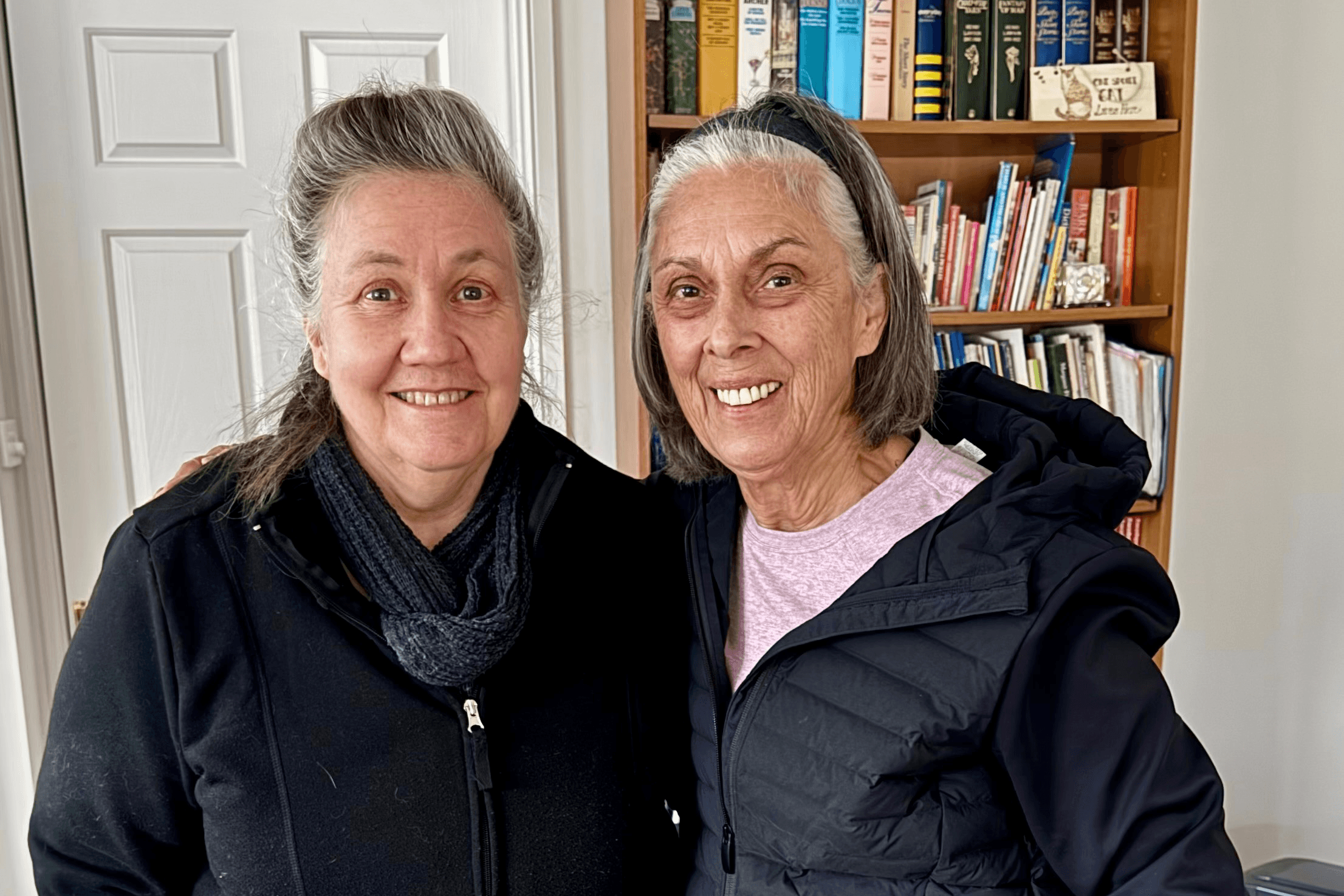
The power of Peer Support: Marianne and Marie’s story
Marianne and Marie met through MS Plus Peer Talk and formed a lasting friendship, showing the power of peer support for people living with MS.
- +1
- 11 August 2026
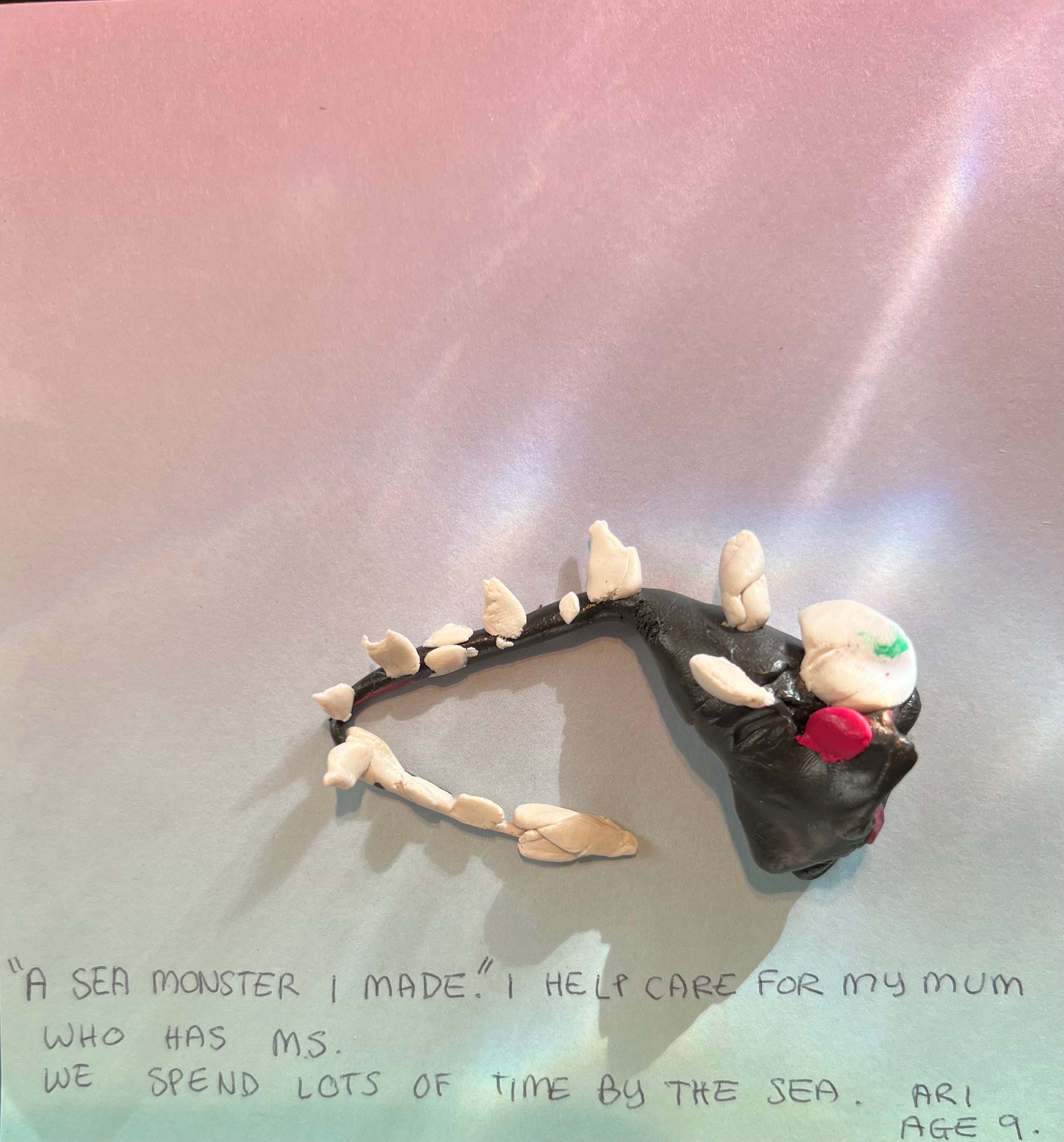
Art as connection: How Ari and Jade share creativity and care
For as long as nine-year-old Ari can remember, art has been an important part of his life. So last year, Ari’s mum Jade encouraged him to enter MS Plus’ Virtual Art Show, which celebrates a range of visual art, including paintings, illustrations, sculptures, craft, digital artwork and photography.
- 26 July 2026