
Navigating SDA in a changing NDIS environment with Greg Barry
Greg Barry, Founder and Principal Consultant at SDA services, provides practical, current and client-focused guidance on SDA eligibility, application pathways, evidence requirements and strategies for achieving successful outcomes for participants with high support needs.

- +2
- 31 July 2026
Integrated Care in Focus – Tasmania dinner event
Join Tasmanian health professionals for an engaging panel discussion exploring how integrated care can strengthen collaboration across disciplines and services. Hear from clinicians and sector experts about practical approaches to delivering more coordinated, person-centred care.vv

- 21 July 2026
The Future of Neuro Health and Wellbeing with Dr Phu
Dr Phu Hoang, senior physiotherapist at MS Plus, shows how exercise can support your MS.

- +1
- 7 July 2026
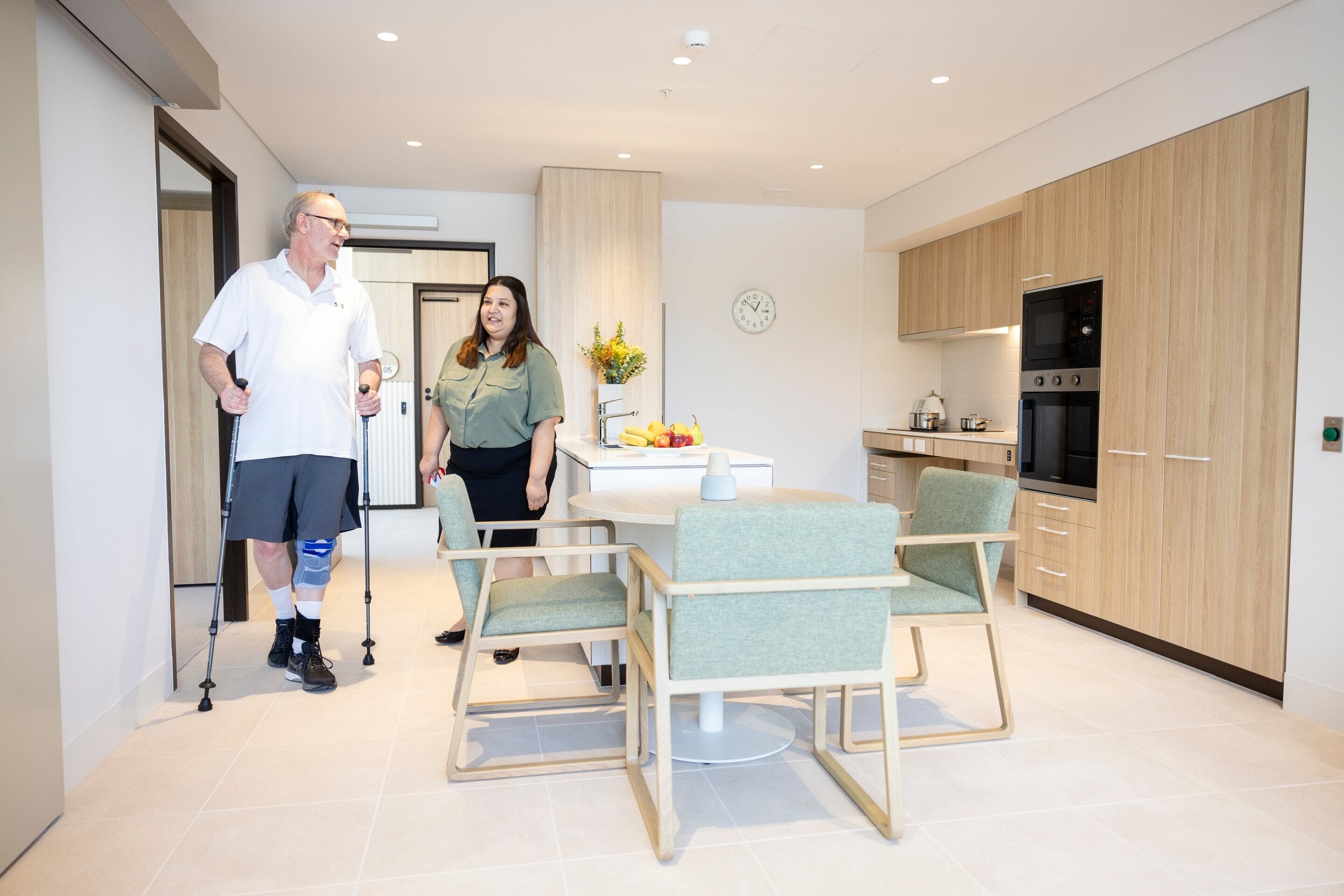
Understanding supported accommodation: a practical guide for people with chronic neurological conditions
Specialist Disability Accommodation (SDA) funding is available through the National Disability Insurance Scheme, but it is one of the most complex supports to access. Understanding the process and preparing strong evidence can significantly improve your chances of approval.
- +1
- 9 June 2026
Supports for carers of patients with neurological conditions
Carers and informal supports are often an integral part of the care network for people living with neurological conditions. They often take on complex and sustained responsibilities, balancing multiple roles, and many with limited formal support. Health professionals are well positioned to identify early signs of strain, promote preventive strategies, and facilitate access to appropriate services.

- +1
- 26 May 2026
Dispelling the myth of the ‘MS diet’ with MS Plus Dietitian Julie Orr
Managing diet in the context of MS can feel like navigating a maze of conflicting information. Our Dietitian Julie Orr sheds light on the correlation between diet and MS and provides clear, actionable advice for those living with this condition.

- 12 May 2026
Managing bladder and bowel changes in MS
Many people living with MS experience changes in bladder or bowel function at some stage. These symptoms may feel difficult to discuss, but they are more common than you might think, affecting approximately one in four Australians. Bladder or bowel changes can be short term, ongoing, mild, or more complex, but seeking support early can help you stay healthy, confident, and in control.

- +2
- 1 May 2026
Travel well with MS
Travel can be restorative and empowering. If you’re living with multiple sclerosis (MS) or another neurological condition, thoughtful preparation can make the difference between a stressful experience and a smooth, enjoyable break. With the right supports in place, you can conserve energy and focus on what matters most – enjoying the journey.

- 21 April 2026
Diet tip: Gut Health
Living with a neurological condition means every healthy habit counts – including what’s on your plate. Your gut health can influence how you feel physically and mentally. Eating a variety of plant foods helps support a healthy gut, while restricting your intake can do the opposite.

- +1
- 21 April 2026
You can’t pour from an empty cup: a carer's guide
While much attention is rightly given to the needs of the person receiving care, the wellbeing of the caregiver is just as important. Taking time for self-care is not a luxury or a sign of selfishness—it is essential for continuing to care for others effectively and sustainably.

- 7 April 2026
The power of allied health: a coordinated approach to managing MS
While there’s no cure for MS yet, a coordinated allied health care approach can make a profound difference in managing symptoms, maintaining independence and enhancing quality of life.

- +2
- 17 March 2026
Why mental health support should be part of your MS treatment plan
Living with MS affects more than the physical body. Alongside symptoms like fatigue, pain or mobility changes, MS can challenge emotional wellbeing—sometimes unexpectedly. Mental health influences how you cope with symptoms, adjust to change, make treatment decisions, and stay connected with others.

- 17 February 2026