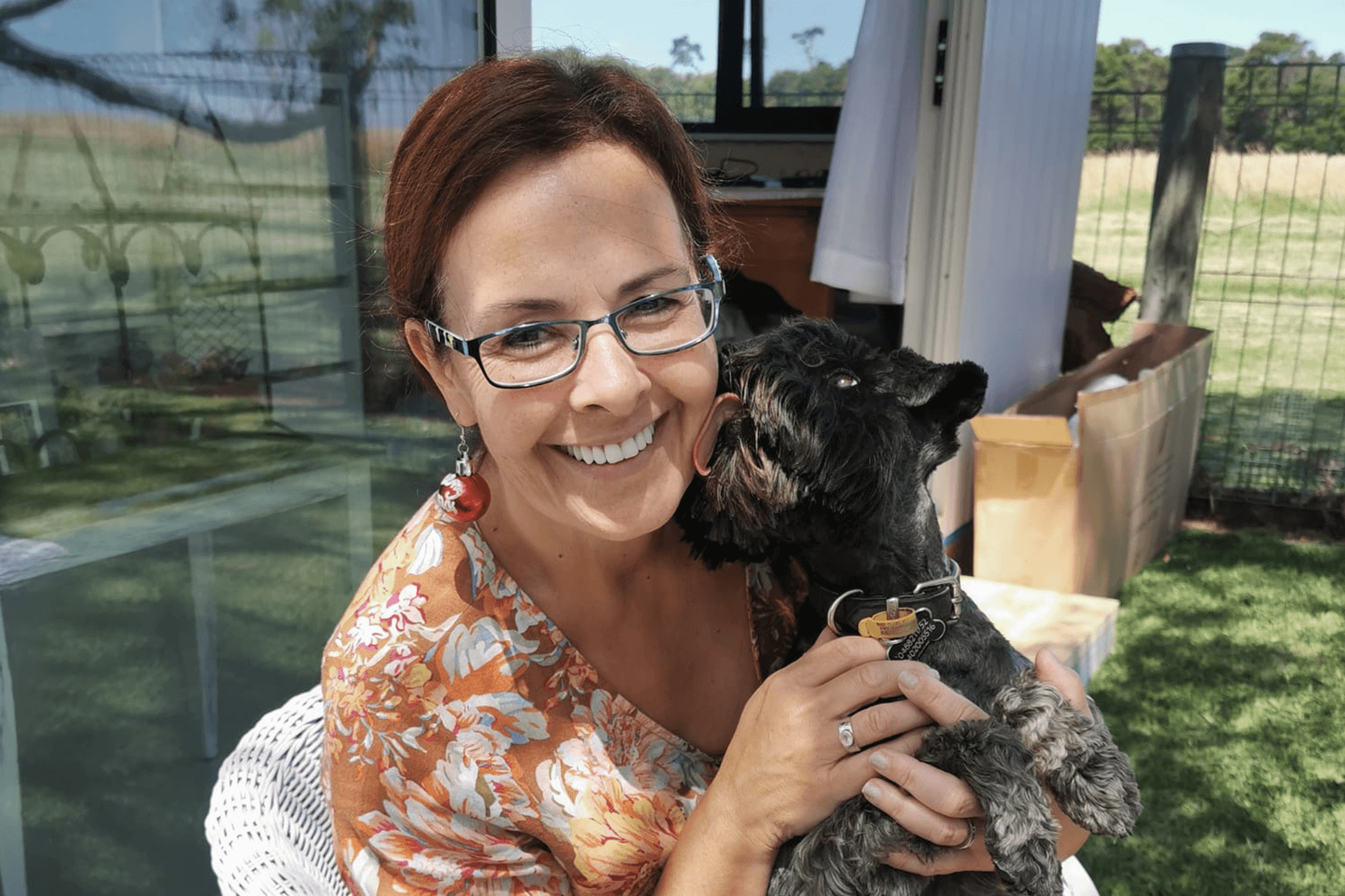
One day in early 2024, Alisa woke up feeling a pain she had never experienced before.
“I woke up on a Monday morning, and it was like my body had shut down. I was unable to stand or walk far, and since that time, I’ve been experiencing weakness, extreme burning pain, and painful pressure in both of my legs.
“My symptoms all increase with stress and movement, so the more I stand or walk, the worse the pain in my legs is. Sometimes I try to push through, but that results in me being awake all night because the pain becomes so bad,” she says.
Alisa had rarely experienced physical symptoms over the previous decade after being diagnosed with MS in May 2014.
“I had mainly been experiencing migraines and dizziness. For 10 years before my diagnosis, I used to get vertigo occasionally, and at its worst, I’d be crawling on the floor to brush my children’s hair to send them off to school. But I’d go to the doctor, get an injection, and a few days later, I’d feel better.”
Alisa had used MS Plus’ services occasionally throughout that period, finding connecting with other people with MS via Zoom sessions most useful.
But the new issue remained a mystery — with three hospital visits failing to find any answers.
“The neurologists would look at my MRI, say there’s no dramatic changes, and that what I was experiencing wasn’t a typical MS relapse, then send me home with no treatment, with my condition progressively becoming worse. I had no treatment across three hospital visits.”
On a family holiday last year, something changed which led Alisa onto a path of understanding and self-advocacy.
“The only time I was able to walk last year was when I went on holidays to a humid climate. I could walk greater distances with fewer breaks in between, and my husband said maybe it was because you were happy that you were on holiday. I said maybe, but it also might have been the humidity.
“The second I got home, all of the leg symptoms all came back, and I was straight back in the wheelchair. I found that when the weather dropped below 22 degrees, even before I got out of bed, I knew I was going to be in the wheelchair all day due to the pain in my legs that was there, even before taking one step.”
Alisa began researching neurological conditions exacerbated by cold temperatures and discovered Central Pain Syndrome (CPS) or as it is also known, Central Pain Sensitisation. The symptoms – constant burning or sharp pain, sensitivity to touch, pain exacerbated by movement, stress and cold temperatures– all aligned with her experiences.
“The doctors I spoke to seemed to be more familiar with Complex Regional Pain Syndrome (CRPS), which might affect one foot, or it might affect one leg. It's not such a large part of the body, but for me, it's both legs, all the way down,” says Alisa.
Alisa has just undergone a Ketamine Infusion as a first line of treatment, but for now is trying to develop a deeper understanding of her pain and how to best manage it herself.
“I’ve worked out that on my bad days, if I need to go shopping to buy something, I just take my wheelchair to push myself around, and when I get back to the car, I’m not in agony. I’ve learned that I have to pace myself to reduce my pain.”
Alisa is also planning to house-sit in Brisbane to see the difference a prolonged warmer climate can make.
“Fluctuating weather does not help because you can have a 40-degree day, but if you’ve already had five days of cold, my legs need another five days of warmth to feel better.
“I am hoping that in Brisbane, I won't need the wheelchair or the mobility scooter as much. When it's warmer, I find that I can walk a hundred meters and then I can sit and rest for half an hour, and then I might be able to walk for another 100 or 200 meters.”
She hopes that sharing her story highlights CPS to others and demonstrates the importance of self-advocacy. It is also important to understand that — for people who are diagnosed with a condition like MS — it can be easy to assume everything you experience is a direct result of this diagnosis. Always check any new symptoms you are experiencing with your medical team to rule out a possible comorbidity or concern.
“If I didn’t keep pushing for answers around what I was experiencing, I still wouldn’t have treatment options. It’s also really important to have a good neurologist, that listens to you. My neurologist said she was proud of me, and of her patients that come in with possible solutions.
“I want people to understand that if they aren’t having a typical MS relapse, this is another possible option. If you’re experiencing pain in a large part of your body, if you’re sensitive to touch and movement and if in the cold temperature you have this feeling of burning, pins and needles and numbness, I encourage you to learn more about CPS.”
If you are experiencing pain please consult your neurologist/pain specialist to explore treatment options suited to your individual needs. You can also reach out to a Nurse Advisor for guidance 1800 042 138 connect@msplus.org.au
Related articles
Making the best of it: Greg’s story
After a delayed MS diagnosis, Greg found strength in family, treatment and peer support. Read his story of resilience, adaptation and connection.
- News
- 7 September 2026
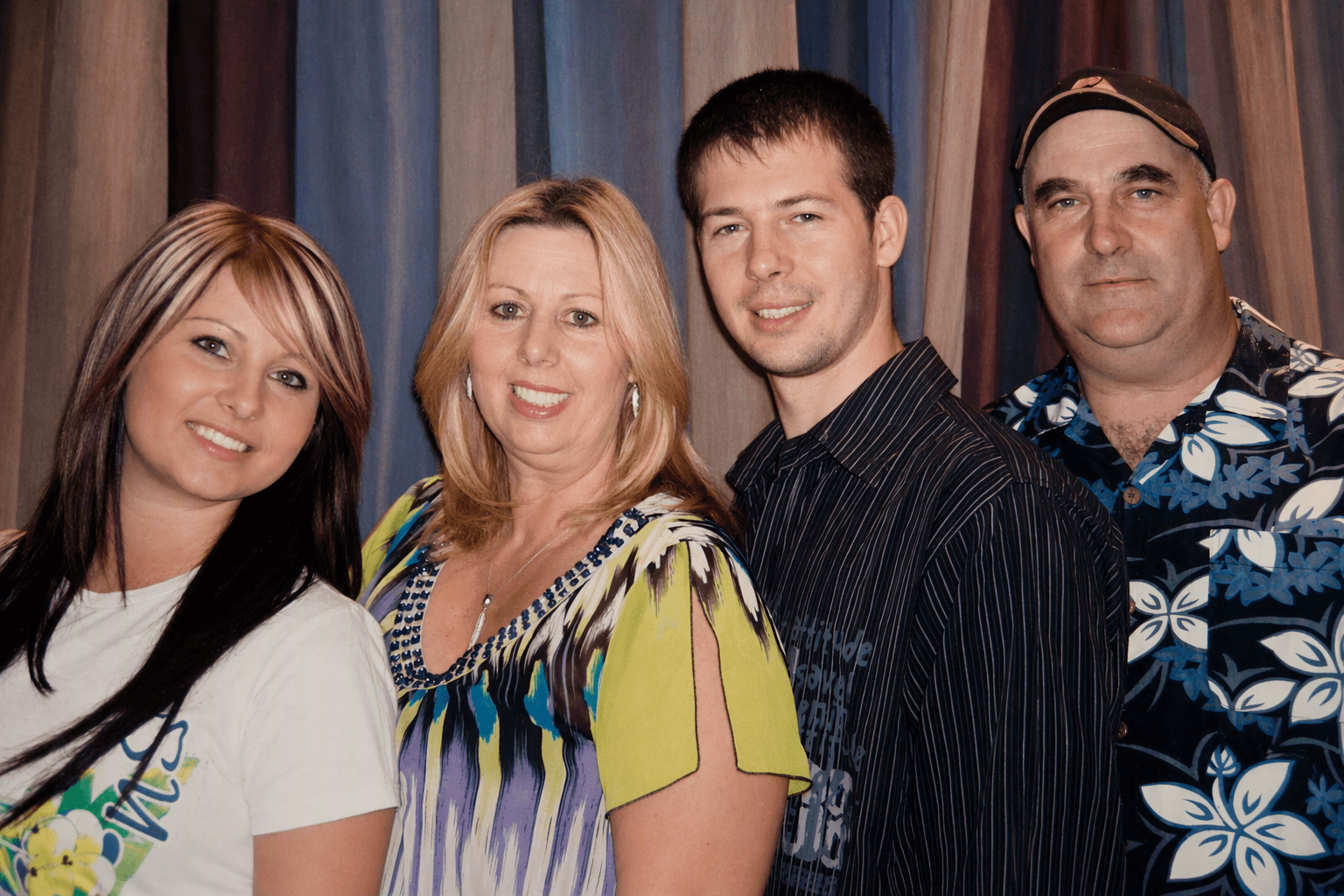
Meet Duncan: the volunteer who shows up every day
Meet Duncan, a dedicated MS Plus volunteer whose 20+ years of service, reliability and quiet commitment have helped support people living with MS and other neurological conditions.
- News
- 24 August 2026
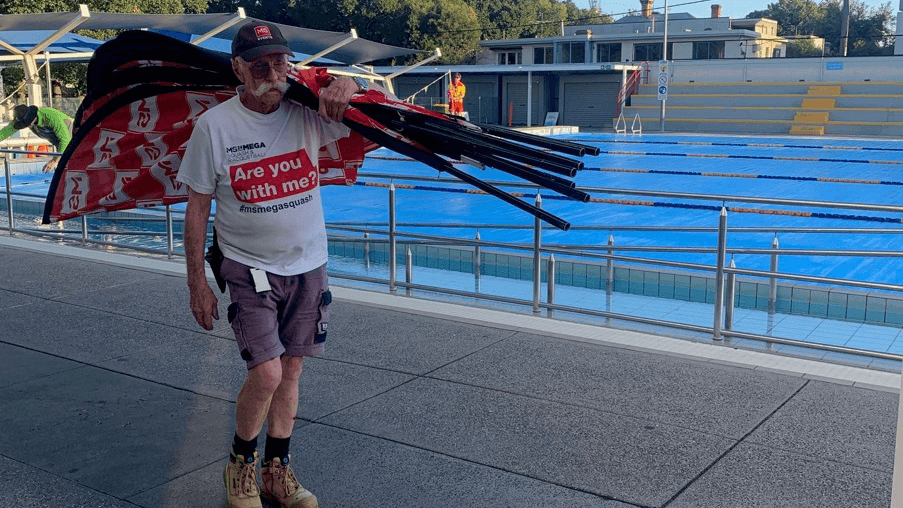
The power of Peer Support: Marianne and Marie’s story
Marianne and Marie met through MS Plus Peer Talk and formed a lasting friendship, showing the power of peer support for people living with MS.
- News
- +1
- 10 August 2026