
'At first I felt hopeless, but the moment I saw a tiny bit of improvement, I was all-in.'
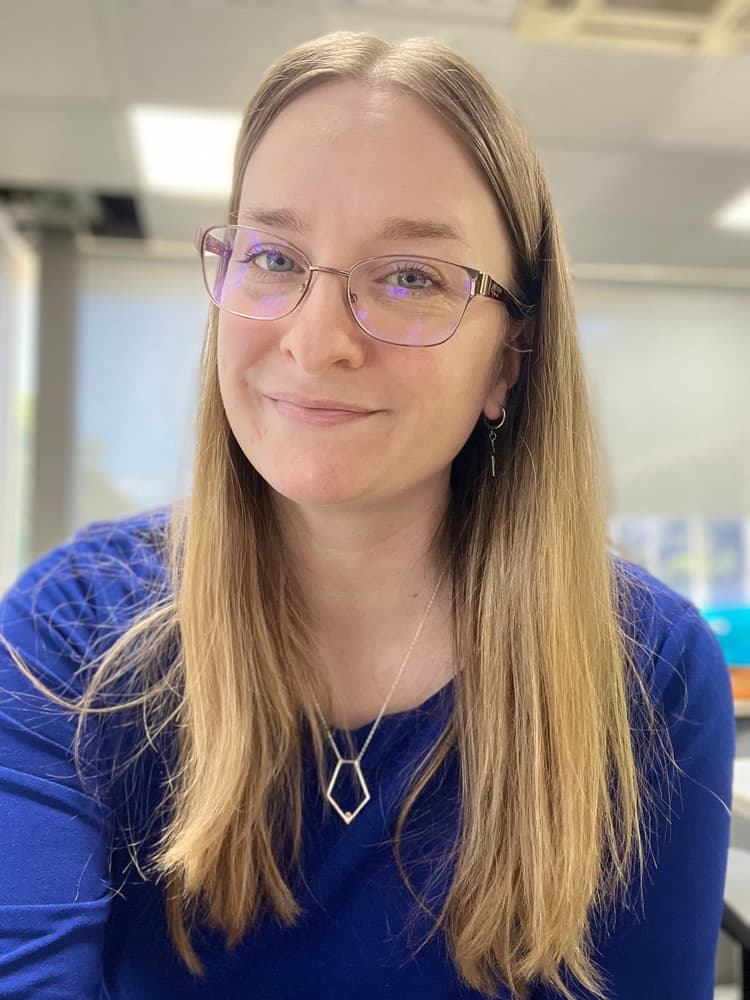
There have been many significant milestones in Stephanie’s journey to living well with MS, but returning to the workforce is close to top of the list.
'I had a long period of time where I couldn’t work because of my disability, but I now have a part-time job working as an admin for a manufacturing company. I’ve been there for about five months and it’s been great,' she says.
'My team is very accommodating, understanding and empathetic. They’re really good people. Before that, I felt like I had no purpose and I actually missed work. I’m really happy there.'
Stephanie was diagnosed with MS shortly after a bout of COVID in 2022, and she was frightened by how quickly her health declined.
'I started going numb in my left hand, and within days it spread and I ended up being 80 per cent paralysed. I lost all feeling and movement, and the only thing I could feel and use was my right arm and hand. Everything else felt like dead weight,' she recalls.
When she woke up one day and couldn’t feel her chest or stomach, her doctor sent her to the hospital, suspecting she may have Guillain-Barre syndrome.
'The hospital took me in straight away, and I was there for eight nights. I was lucky that during that time, there happened to be a full neurology team there teaching their students, which was incredible,' says Stephanie.
'They saw my MRI, and went over it together. They came back and said, we want to do more tests because we think you have MS.'
By the time she left hospital with her diagnosis, Stephanie needed around the clock support from her husband.
'I was in a wheelchair and I couldn't do anything for months. My husband had to shower me, get my clothes on, brush my hair and feed me. I just felt overwhelmingly guilty because this man was suddenly having to do everything, everything, and it's stressful.'
Two interventions began to make a positive difference.
'My neurologist told me about MS Plus and suggested that I go over there as soon as possible because early intervention is the best hope. My doctor also helped me fill out an application for NDIS, and it was approved on the first go.'
Engaging with MS Plus for the first time, as someone who had only recently been diagnosed, was 'fast and scary.'
'I could see such a wide variety of patients there, some people that didn't look sick at all, and then people who were in mobility scooters that couldn't even lift their arm. I didn’t really know what to think and what my future looked like,' she says.
Before too long, Stephanie could start to see the impacts of her intensive physical therapy.
'My trainers would put me on a bed and pull my legs. I remember thinking it wouldn’t work, but it did. I started to see improvement, change and progress.'
'I realised things were getting better when I was able to stand up out of a chair. My left arm used to feel like someone was constantly standing over me pushing down on my shoulder, but it got to the point where I was at home, reached for something with my left hand and it actually connected.'
'I just started trying to force myself to use my left hand because that's what they told me to do and every month I could see a significant improvement whether if I could hit a light switch or put my hand on the keyboard, move my fingers and type.'
Stephanie says MS Plus’ help went beyond the physical support, helping her to adopt a positive mindset.
'Without them I would have stayed at home and done nothing. At first I felt hopeless, but the moment I saw a tiny bit of improvement, I thought "I can fix my leg", and I was all-in.'
Joining peer support groups, and making connections she still keeps several years later, was another positive outcome of MS Plus.
'At first, I found the peer support group intimidating, but I think that's probably normal. I didn’t know why I would want to talk to a group of people that are strangers when the only thing we have in common is the same disability. But I gave it a shot, anything to better myself, and they ended up being so helpful.'
These days, things are going well for Stephanie. Through MS Plus and NDIS, she has a support network including support workers and peer support groups.
'It means not everything is falling onto my partner. That was massively helpful for my mental health and his mental health.'
'Now, I can walk upstairs. I don't even have a walking stick. I really feel like a different person.'
Alongside her part-time work, Stephanie has even been able to study bookbinding, one of her passions.
Stephanie’s advice for others on their MS journey is to follow her lead by going ‘all in’ on following advice and committing to therapies.
'It’s so important to just show up, follow what they tell you to do, and keep doing it. I tell people all the time, don't cancel appointments when it's raining, make yourself get up and go to the gym even if you don’t want to.'
'I can’t tell you the amount of times I’ve cried since I started with MS Plus and it’s not from being sad, it’s from happiness.'
Related articles
Support to keep working: Santo’s story
Discover how MS Plus Employment Support Service has helped Santo stay employed for 30 years after his MS diagnosis through personalised workplace support.
- 19 October 2026
Your spring and summer wellbeing guide
Make the most of spring and summer with practical tips for managing heat sensitivity, staying active, conserving energy and supporting your wellbeing while living with MS or another neurological condition.

- 15 October 2026
Ask Nurse Amy: Staying cool and confident this summer
Learn why heat can worsen MS symptoms and discover practical strategies to stay cool, manage fatigue, stay active and enjoy summer with confidence.
- 14 October 2026