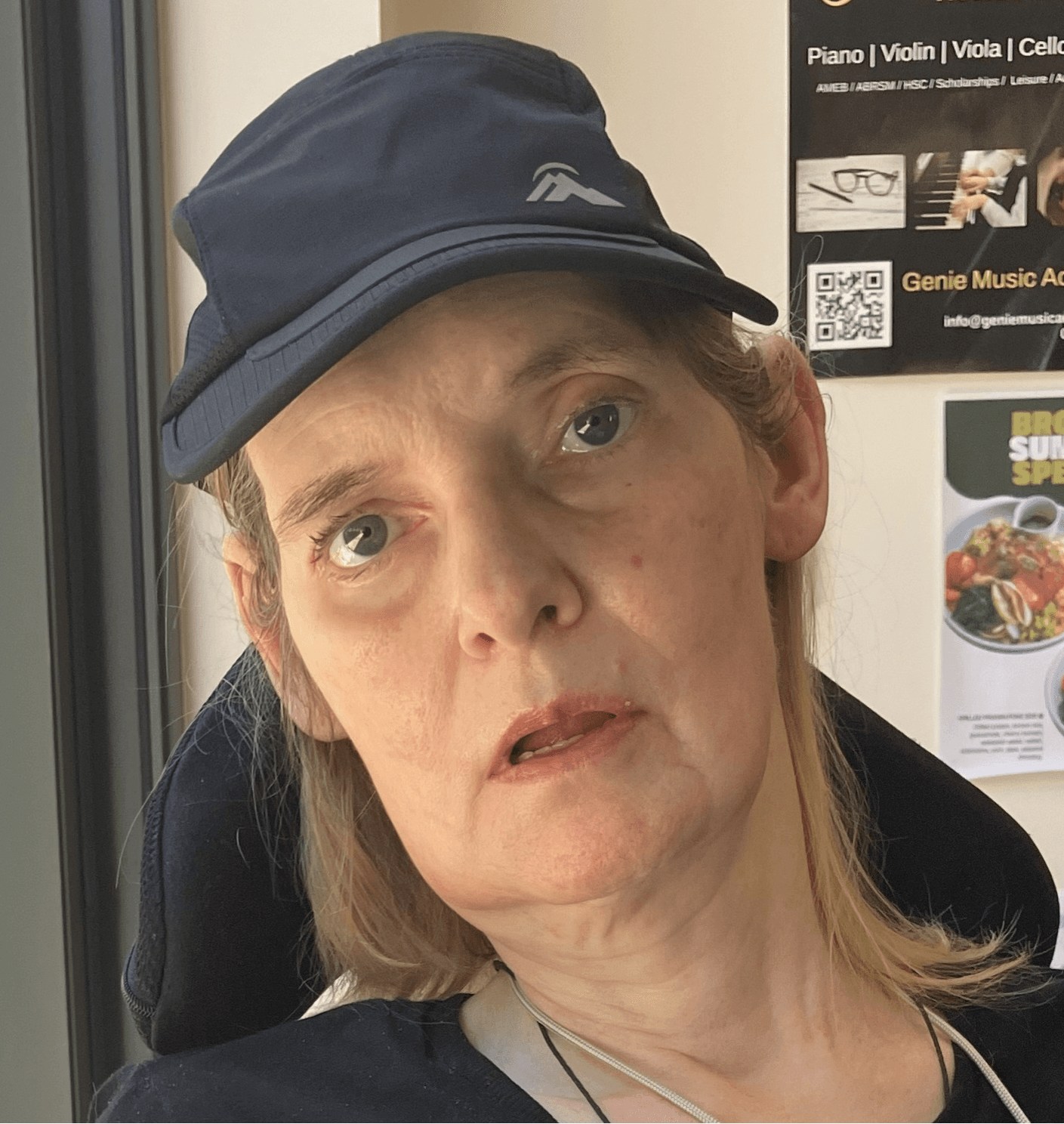
My name is Melissa and I’m a loving wife and family member, and a loyal friend. I’m an avid traveller, health and fitness enthusiast, bookworm, and chocoholic. I enjoy spending time with loved ones, delicious food, a good laugh, listening to music, theatre performances, and binge-watching crime drama. I’d describe myself as organised, practical, and action-oriented, and a resilient optimist. I feel privileged to work as a psychologist. I’m also one of the 2.8 million people worldwide living with multiple sclerosis (MS).
My diagnosis
My MS story began in January 2023. I woke up with severe tingling and numbness down the left side of my body. I lost my balance, coordination, and ability to walk and grip things with my hand. Having always been in good health, I initially and naively dismissed my symptoms as a pinched nerve from the personal training session I did the day before. I even joked about it with my trainer.
After a visit to my GP and an urgent CT scan, I went to the emergency department of my local hospital and was admitted later that night. I’ll never forget the feeling in the pit of my stomach when I was told I couldn’t go home due to the seriousness of my symptoms. After two days of multiple cannulas, IV infusions, a full body MRI and a lumbar puncture, I was diagnosed with relapsing remitting MS and the life I knew was gone.
I can’t even begin to explain the shock and fear that washed over me, my husband, and our families and friends. Then came the grief. It was at times overwhelming, especially in those early days. There was one good thing that came out of those dark days. I was diagnosed quickly and accurately. This meant my MS could be treated immediately and every day I get to tackle it head on is one day less it gets to progress throughout my body.
My first year
My first year of living with MS felt like the longest year of my life and I spent most of it in survival mode. I was desperately trying to keep my head above water. I was initially bedridden and made multiple trips to hospital. I attempted to re-engage in my daily routine, go to work, complete my studies, socialise, enjoy my hobbies, and exercise. I was learning how to adjust to the roller coaster ride that is MS. All the while, coming to terms with losing the life I knew. Suddenly, I no longer had the energy and dexterity to perform simple household chores. I went from working full-time to working two days a week and primarily from home. I found it difficult to read and commit information to memory. I was overwhelmed when conversing with more than one person at a time. I was too exhausted to attend social events. I went from being able to run a half-marathon to struggling to walk a kilometre. I could no longer travel to the places I wanted to because my body would be unable to cope.
I had a few meltdowns, a breakdown, and an existential crisis or two. My whole world not only changed in the blink of an eye, but it shrunk considerably, and I felt very disconnected and isolated. As I watched the life I knew slip further and further from my grasp, it was as if I was losing me, and I had no idea how I was going to find my way back.
While I’ve come a long way since then, I’m aware I’ve still got a long way to go in terms of recovery and remaining stable. I continue to struggle with symptoms, which are likely to persist in the long-term but just differ in their level of severity. I experience MS fatigue, which can be debilitating (at my worst, I can be bedridden for up three days). My fatigue leads to the onset of other symptoms including attention and concentration difficulties; inability to recall the right words, names, or places; being slower at processing information; dizziness and light-headedness; loss of balance and coordination; visuospatial issues; blurred vision; and headaches. I also have bladder problems, occasional numbness and tingling sensations, and symptoms similar to those of restless leg syndrome.
The reality is I’ll always have symptoms I need to manage and there’s been significant adjustments to my daily life to enable me to do this. It can be challenging at times due to the unpredictable nature of MS, where one day can be so different from the next. I’m also still grieving over the loss of the life I had pre-diagnosis and what I thought it would be. I’m still learning about this disease, which has impacted every aspect of my life. I’m still adjusting to my new normal and experiencing frustration due to my limitations. I still have uncertainty and fears about the future, particularly the progression of my disease. I’m still coming to acceptance of what my life may be going forward.
Coping with diagnosis and living with MS
Riding the MS roller coaster isn’t easy. Everyone has to find to a way to approach it that’s right for them. I chose to play to my strengths and drew on my knowledge as a psychologist. These are the strategies that work for me.
- Educating myself about MS
I set out to learn all about MS. I constantly ask my neurologist and MS clinic questions about the disease and treatment. I track my symptoms, noting their level of severity, patterns, and new symptoms. I regularly utilise the MS Plus resource hub, accessing the free webinars, podcasts, and articles. At present, I’m in the process of completing the ‘Understanding Multiple Sclerosis’ online course run by the Menzies Institute of Medical Research and MS Plus. I’m also participating in a Wellbeing Neuro course as part of a clinical trial.
All this helps to improve my knowledge and understanding of MS and my specific MS-related issues, which is empowering. I’m able to establish clear boundaries to ensure I do not push beyond my capacity and risk the flare up of symptoms. I have the ability to proactively plan and pace my activities based on my capacity. I’m capable of raising awareness and informing others about MS so there is an understanding of what I can and cannot do. I can be my own advocate and actively contribute to personalising my treatment plan with my medical team, personal trainer, and dietician, and developing an appropriate return-to-work plan with my organisation. - Leaning on my support system
My support system consists of relationships with different types of people – my husband, family, friends, work colleagues, medical team, personal trainer, and my own psychologist. These people help me ride out the highs and lows of this MS roller coaster. There are those who cry with me; cheer me up when I’m down; check in to see how I’m doing; ask if it’d be better for me to have an earlier booking; make meals for my household to ease the load; offer to give me lifts to appointments; or just reach out just to say, ‘I’m thinking of you’. These simple gestures make such a profound impact and have brought love and light into my world when I need it the most.
Through MS Plus, I’ve been able to strengthen my support system by engaging with a dietician, participating in a Peer Support program, and connecting with others in the MS community. Learning about other people’s experiences with MS has become a source of inspiration and motivation and makes me feel less alone. - Reflective journalling
This gives me another outlet to process my thoughts and emotions and make sense of my situation. It also enables me to record my wins. I note the positive experiences and each improvement. Where I can, I take photos of these special moments. I constantly refer to this body of evidence to remind myself of how far I’ve come and celebrate my wins. I’ve become so proud of the progress I’ve made and what I’ve been able to achieve. - Practicing gratitude
Gratitude is a skill and I engage in a daily practice of gratitude to cultivate it. Even when the present seems negative, expressing gratitude helps me shift my perspective. I’m able to reframe my thoughts as I focus on what I have rather than on what I do not. These days, I’m grateful for all the simple things I used to take for granted but are no longer simple for me to do such as walk, converse, write, read, socialise, exercise and work.
Practicing gratitude has made me realise that amongst grief, fear, frustration, and the terrible lows on this MS roller coaster, I’ve also experienced light, humour, joy, and love. So while MS has led to some of the worst moments in my life, it has also led me to some of my best. I’ve come to appreciate all the good in my life and remain hopeful about the future.
Lessons learnt so far
- MS is incredibly humbling, and it’s completely changed my perspective as I’ve come to realise what truly matters.
- I’m aware that I’m not the same person I was before my diagnosis, and I can’t expect to be.
- I’ve realised there’s no going back. There’s only moving forward, and I don’t want to waste any more precious energy railing against my diagnosis and recovery time frame.
- So I’m learning to be more present in the now and make the most of my good days as I don’t know what tomorrow will bring.
- I’ll still have bad days, when my symptoms flare up, my body doesn’t work, and I feel down.
- I know that it takes courage to be vulnerable and to honour one’s boundaries, especially during these bad days.
- I’m learning patience and self-compassion to accept that I am not ‘less than’. I am enough, as I am, each day.
- I’m rebuilding my self-confidence in who I am now and have a better understanding of who I want to be.
- I’ve found my voice and hope to create more opportunities to be an advocate for MS and engage with my MS community.
Moving forward
Based on the improvements over the last year, my recovery appears to be on track. My neurologist has indicated it’s likely to be another 12 months before I reach my goal of living a fuller, more active life. I make decisions every day to manage my MS. Everything I do is focused on improving my physical and cognitive health, and looking after my overall wellbeing so I can achieve my goal.
Every improvement, no matter how small, is me kicking MS in the arse and stopping it in its tracks. I’ve been able to go out to dinner, watch concerts, read my books, go on a holiday overseas, complete my studies, lift weights, run again (albeit like a turtle), undertake an easy hike, and continue working. I’m also starting to make plans for the future. I finally feel like I’m finding my way back to me after being lost for so long.
MS is overwhelming as it impacts every aspect of one’s life. I remind myself every day that while MS is a part of me, it’s not all that I am. I’m figuring out how to adapt so I can continue to do things that are important to me. I may have to do them differently to before, but I’ll do whatever it takes to reconnect with what I value most in life. This is me, determined to thrive in spite of MS not just survive because of it.
There was a life before MS, and my husband and I are finding there is life after. We’re discovering it’s a life that can still be a meaningful, purposeful, enjoyable, and active one.
MS is often referred to as the snowflake disease because no two cases are alike, and each person is affected differently. I’ve chosen to share my story as my aim is to normalise living with chronic illness, show others they are not alone by validating their experience, and perhaps give people hope that we can each find a way to come out the other side. I also want to raise awareness and educate others about MS to help people living with MS like me.
So here’s to the next chapter in this MS story. May it be a good one.
This is MS. This is my story. To be continued…..
Related articles
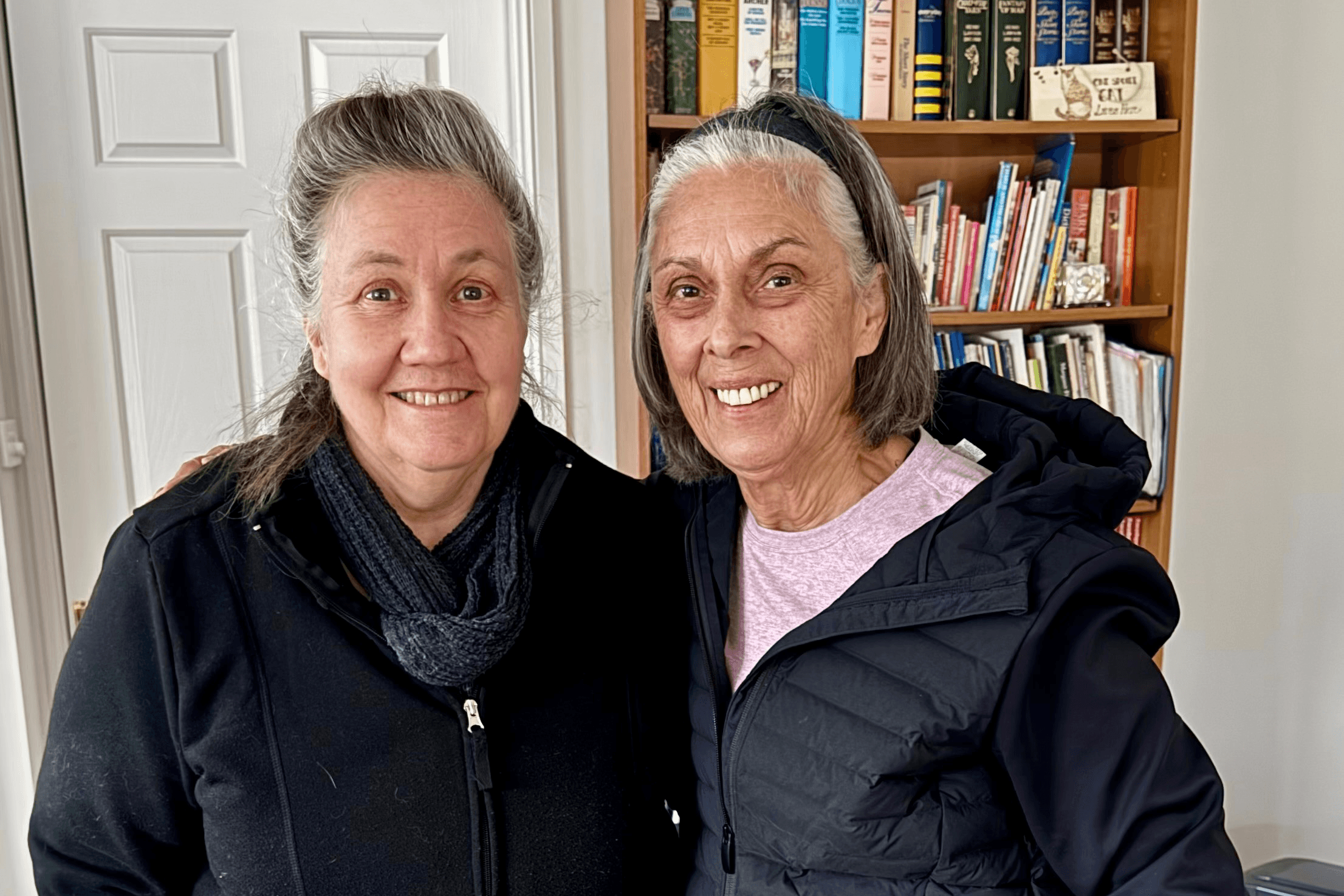
The power of Peer Support: Marianne and Marie’s story
Marianne and Marie met through MS Plus Peer Talk and formed a lasting friendship, showing the power of peer support for people living with MS.
- News
- +1
- 10 August 2026
Art as connection: How Ari and Jade share creativity and care
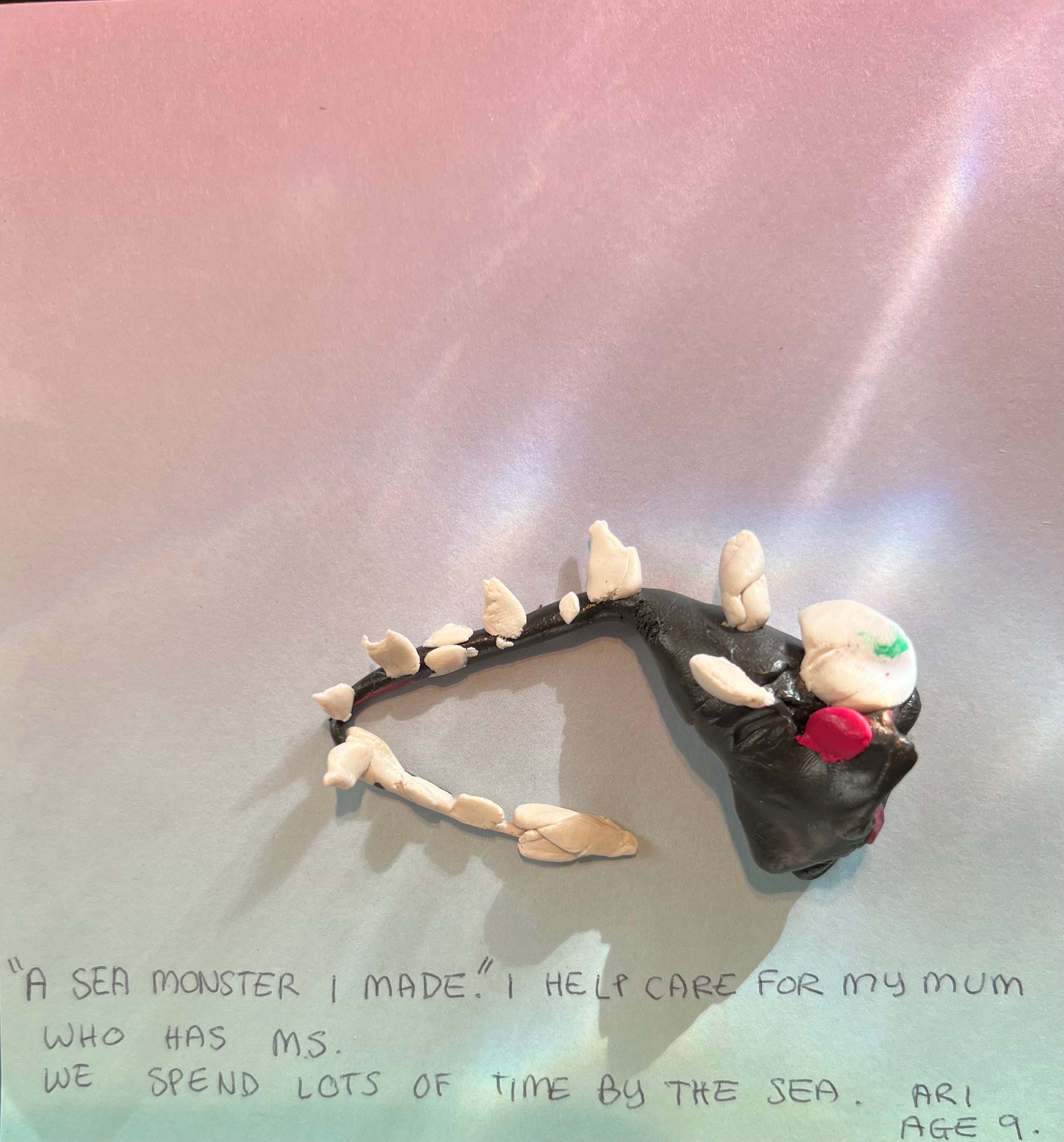
For as long as nine-year-old Ari can remember, art has been an important part of his life. So last year, Ari’s mum Jade encouraged him to enter MS Plus’ Virtual Art Show, which celebrates a range of visual art, including paintings, illustrations, sculptures, craft, digital artwork and photography.
- News
- 25 July 2026
From hospital to home: Christine’s story
When Christine moved into MS Plus’ supported accommodation at Lidcombe Home after an extended hospital stay late last year, it had a profound impact on her health and wellbeing.
- News
- 13 July 2026