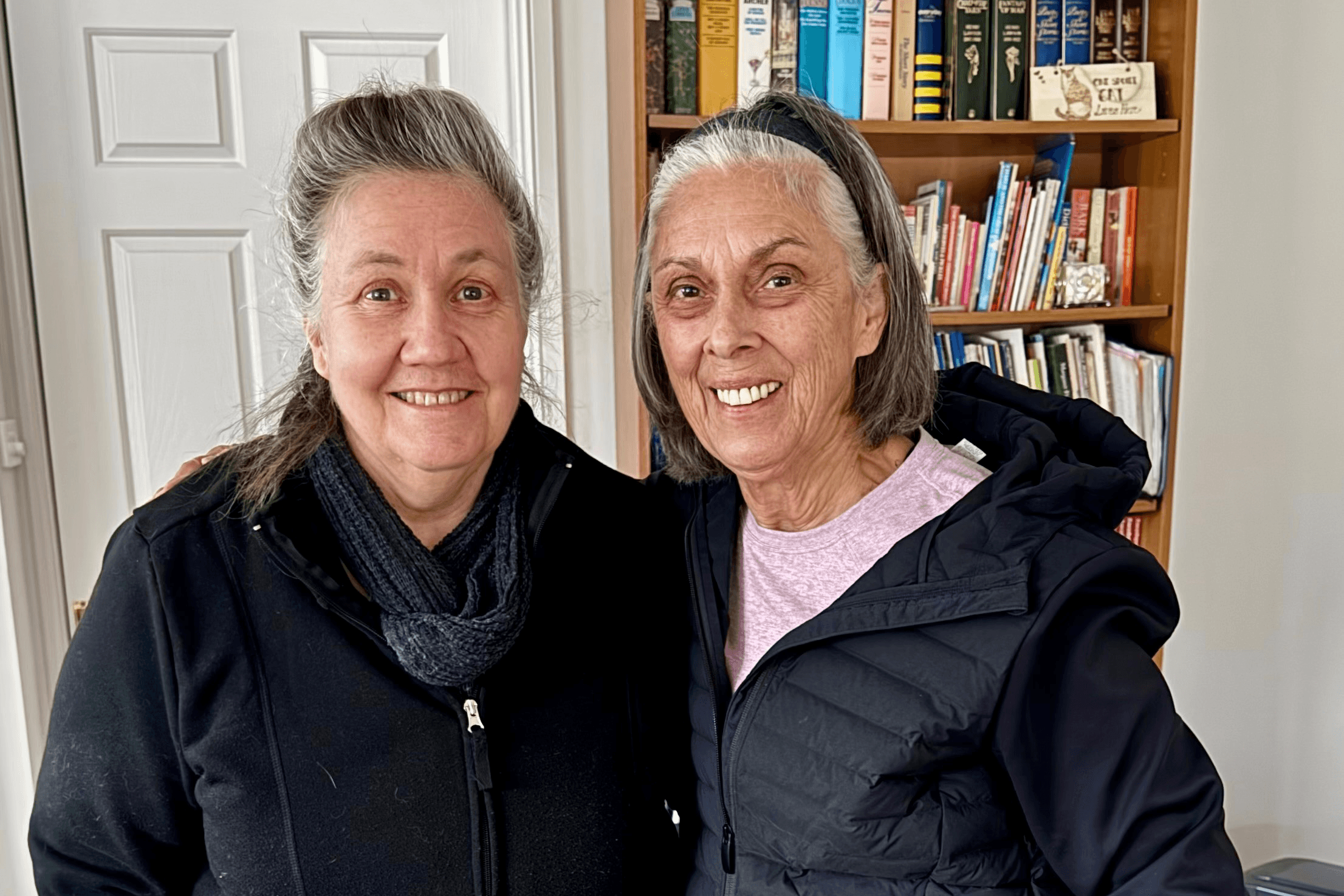
For our World MS Day event in May, psychologist Dr Sally Shawopens in new tab presented on the topic of where to find empathy and how to help people to show empathy.
Why do people with multiple sclerosis (MS) need empathy?
The invisibility of disease symptoms means people with MS really benefit from others’ understanding of this disease. Their quality of life can be reduced in such invisible but dramatic ways. MS can have a significant impact on someone’s goals, expectations and lived experiences. Self-identity can sometimes take a blow when diagnosed with MS, and we need others’ empathy to be able to successfully navigate this ’new’ sense of self.
Is it possible to really understand what someone else is going through?
Everyone in my practice at Focussed Health Psychology either has lived experience of MS or of living with disability in another form. While it can be beneficial to have a lived experience to bring to our understanding of others we work with, I still don’t know what it’s like for someone else to live with their MS, in their setting. They will have a different experience of MS, a different presentation, different symptoms, a different set of coping mechanisms, a different take on the world, different personality variables – the list goes on! Showing empathy is working hard to see things from another’s experience of the world.
How can we help people to show us empathy?
I’m a big believer in doing what we can to help people show us empathy – particularly partners and health professionals. We will illicit different levels of empathy from different people in our lives in different ways. We need to pick our audience and think about how we frame our messages to them. We need to help them help us!
Empathy and your health professional
Sometimes it’s difficult to be genuine and honest with health professionals. My advice would be: Don’t treat your consultation like a job interview. Health professionals don’t want things to be shiny and perfect, they want the nitty gritty and the detail. A lot of people with MS don’t like playing the patient role, or to ‘bore’ their practitioner with the details. We then end up forming relationships with our health professionals that don’t allow them a genuine appreciation of what we’re going through, which makes it really hard for them to empathise and support us in the best way possible.
Related articles
Making the best of it: Greg’s story
After a delayed MS diagnosis, Greg found strength in family, treatment and peer support. Read his story of resilience, adaptation and connection.
- News
- 7 September 2026
Meet Duncan: the volunteer who shows up every day
Meet Duncan, a dedicated MS Plus volunteer whose 20+ years of service, reliability and quiet commitment have helped support people living with MS and other neurological conditions.
- News
- 24 August 2026

The power of Peer Support: Marianne and Marie’s story
Marianne and Marie met through MS Plus Peer Talk and formed a lasting friendship, showing the power of peer support for people living with MS.
- News
- +1
- 10 August 2026