When Bec was diagnosed with MS in 2022, her life changed rapidly, but not her determination to keep doing what matters. Just days after symptoms began, including tingling feet that progressed up both legs, she had a diagnosis.
The shock was real, but so was the relief. 'I knew something was wrong,' she says. 'The fatigue, the weakness. I was so glad someone finally believed me.'
A mother of three and public servant, Bec had always been active – commuting by bike, hiking with her family, restoring furniture. Post-diagnosis, she had to rethink how she moved through the world.
'I can’t be spontaneous anymore,' she admits. 'Every outing needs planning. I need to consider the weather, walking aids, how long I’ll be out, and whether I’ll have the energy for anything else that day.'
One of the most significant supports for Bec has been her connection to MS Plus, particularly through employment and physiotherapy services.
'I got in touch with MS Plus while I was still in hospital. That phone call opened so many doors,' she says. Through the Employment Support Service (ESS), she received equipment for her home office, ergonomic supports, cooling aids and regular remedial massage, all critical in managing fatigue and pain.
'My physio was the one who told me I’d qualify for NDIS,' she adds. 'At first I thought, "I’m not disabled enough." But the way MS affected me day to day, my balance, pain, fatigue and sensitivity to heat, was enough. I just needed someone to show me what support looked like.'
Physiotherapy and exercise physiology have played a major role in helping Bec stay strong and capable.
'I work on muscle groups that help me function day to day, like getting off the floor, reaching top cupboards, or balancing on uneven ground,' she says. 'It’s about protecting the strength I still have.'
These efforts have paid off in big ways. 'After 18 months of work, I got back on my bike,' Bec says.
'We went to the velodrome so I could try it somewhere safe, and I just rode in circles, grinning the whole time. Riding was such a joy before MS, and now I’ve found a way to do it again.'
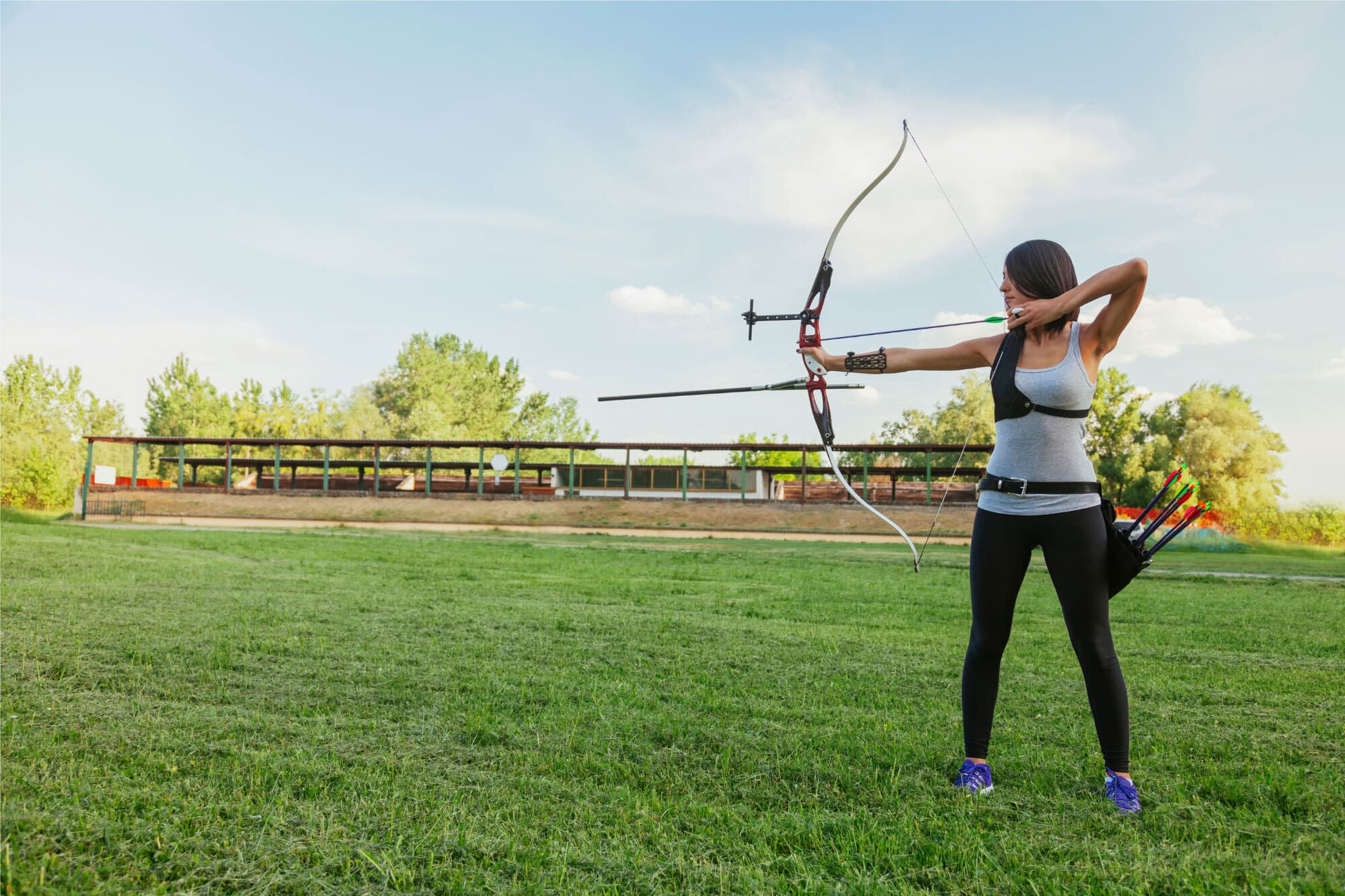
Fifteen months post-diagnosis, Bec was also able to pick up a bow for the first time and have a go at archery, after watching her son at his practice sessions all year. What started as curiosity became a lifeline.
'It’s improved my balance, my strength and it gave me a way to bond with my son,' she says. 'Now we shoot together every week.'
Archery became more than a hobby. It was a statement. 'I want my kids to see that walking aids don’t hold me back, they help me live. I may walk slowly and fatigue easily, but I can still be strong, focused, and present.'
With support from an MS Go for Gold Scholarship, Bec is now investing in lessons and equipment so she can continue growing in the sport.
'One day, I’d love to enter competitions with my eldest son,' she says. 'It’s not just about goals, it’s about showing my boys what resilience looks like.'
Support at work has also made a big difference. 'I used to work full time, but fatigue makes that hard now. My team has been really understanding,' she says.
'It’s tricky when new supervisors come on, do I disclose my diagnosis? Will they understand I’m still good at what I do even if I need adjustments?'
Bec says MS has taught her to embrace the things that help, like walking aids, rest breaks, and external support.
'I’ve got stylish crutches from the UK and a vintage cane from my grandmother. It doesn’t have to be clinical to be useful. They give me freedom, not limitations.'
Her advice to others newly diagnosed?
'Don’t wait to ask for help. Use the services available. Support doesn’t mean giving up your independence – it means choosing how to use your energy for what matters.'
To find out more about how our allied health team can support you phone 1800 042 138 or email connect@msplus.org.au
Related articles
Support to keep working: Santo’s story
Discover how MS Plus Employment Support Service has helped Santo stay employed for 30 years after his MS diagnosis through personalised workplace support.

- 19 October 2026
Your spring and summer wellbeing guide
Make the most of spring and summer with practical tips for managing heat sensitivity, staying active, conserving energy and supporting your wellbeing while living with MS or another neurological condition.

- 15 October 2026
Ask Nurse Amy: Staying cool and confident this summer
Learn why heat can worsen MS symptoms and discover practical strategies to stay cool, manage fatigue, stay active and enjoy summer with confidence.
- 14 October 2026