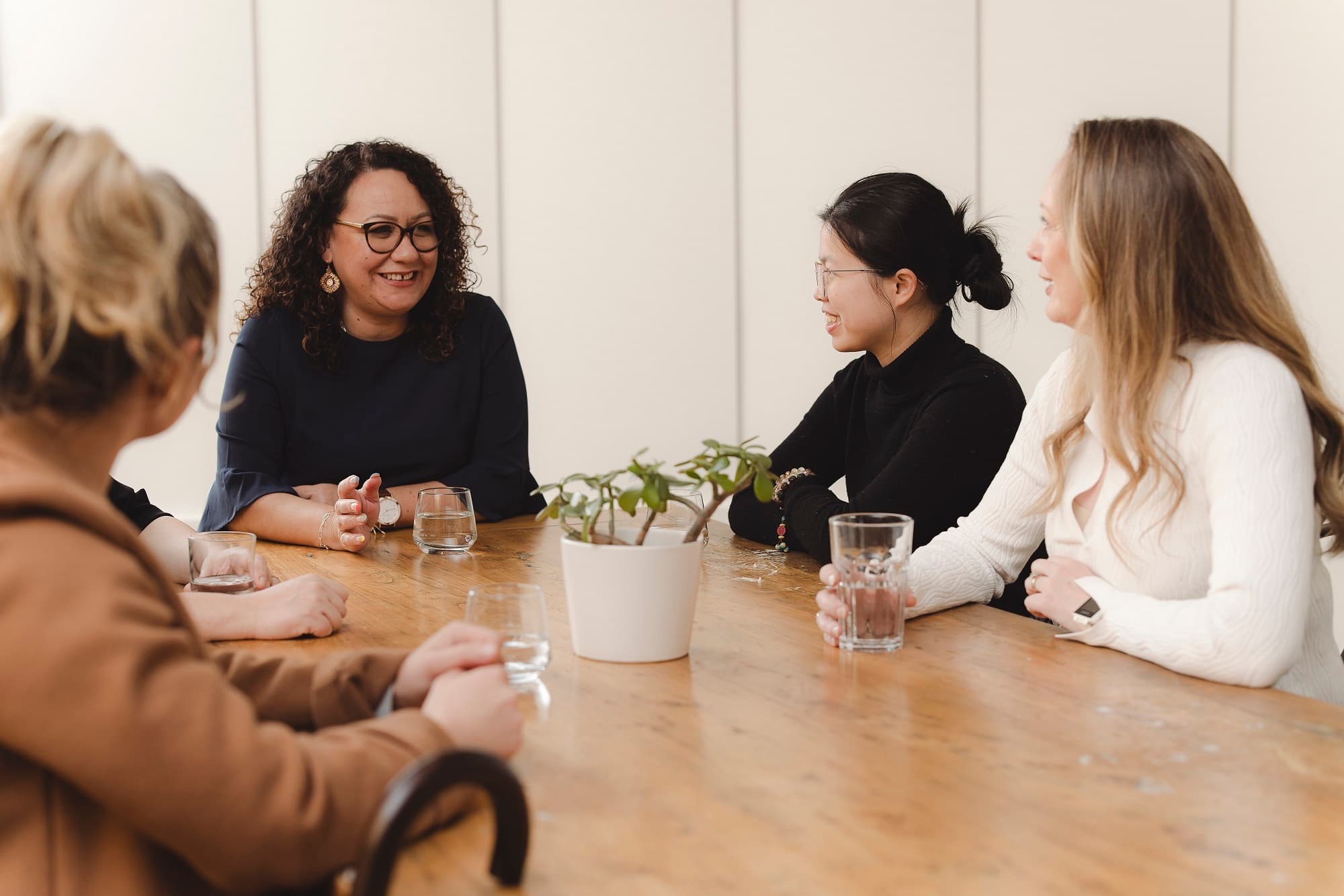
For Peer Support Facilitator, Marianne the real benefit of peer support lies in the sharing of ideas and experiences, as a powerful way to connect with others.
'We’ve had a couple of sessions where we said, "share a challenge you’ve had, how you dealt with it etc."', Marianne says.
'We understand each other’s problems. Sharing ideas and friendship is so valuable. I really look forward to our monthly meetings.'
Marianne, who was diagnosed with MS in 2007 after experiencing episodes since 1990, provides one-on-one phone support as well as hosting three telegroups and a local in-person peer support group within her own Tamworth community.
'There have been a couple of people new to the group who have said they are so happy to not feel alone anymore.
'There’s no right or wrong way to manage a group, as everyone will be so unique in their needs.'
'Last week I spoke to a lady who was completing peer support facilitator training. She was so lovely, nonjudgmental, just a perfect fit and really when you talk to these people you can get so much from them in such a small time. They’re living with MS and can really relate to the people they’re talking with.'
Marianne, who has been a facilitator for the past four years, says often the success of peer support lies in people living with MS feeling heard and understood for the first time.
'There was one man who was angry in the group and didn’t want to participate. He walked out and she followed. This peer support facilitator told him he was important and gave him a hug and tears rolled down his cheek. For the first time he had someone who wasn’t judgmental and who just wanted to give him the best support to get through this life.'
When it comes to being a peer support facilitator, there are no special requirements.
'You don’t have to be a special person to be a facilitator, you just have to take the time to make the commitment.'
Marianne was a registered nurse at Tamworth Hospital from 1973 until 2013, working first in the emergency department and then as a clinical nurse consultant for rural critical care for 25 years. In 2013 she became a Member of the Order of Australia for her 'significant services to nursing, particularly through providing emergency health services to rural communities’.
'As a clinical nurse consultant, my portfolio was an area roughly the size of Tassie covering around 20 hospitals. My role was to give the nurses the knowledge and skills to provide critical care to patients in areas where often there were no doctors or doctors were not always available.'
Marianne’s care giving background has meant she is uniquely qualified to volunteer as a peer support facilitator.
'It’s almost a natural extension of my role as a nurse, which is such a caring profession, this isn’t just a job – it’s about supporting and caring for others and making sure they can have the best possible life,' Marianne says.
'I don’t wear a nurse’s hat in any of my peer support conversations, but I can pick up when a nurse is required, and I can direct the people I chat with to the Plus Nurse Advisor service.'
Although Marianne finds she receives as much support as she gives.
'I think it’s an honour and a gift to be friends with these people – they are just the most remarkable, kind, giving people. They have enriched my life, and it gives me so much pleasure being a part of their life,' Marianne says.
'We exchange birthday cards, we check in on each other, we’re really more like family.'
Find out more about our Peer Support program.opens in new tab
Related articles
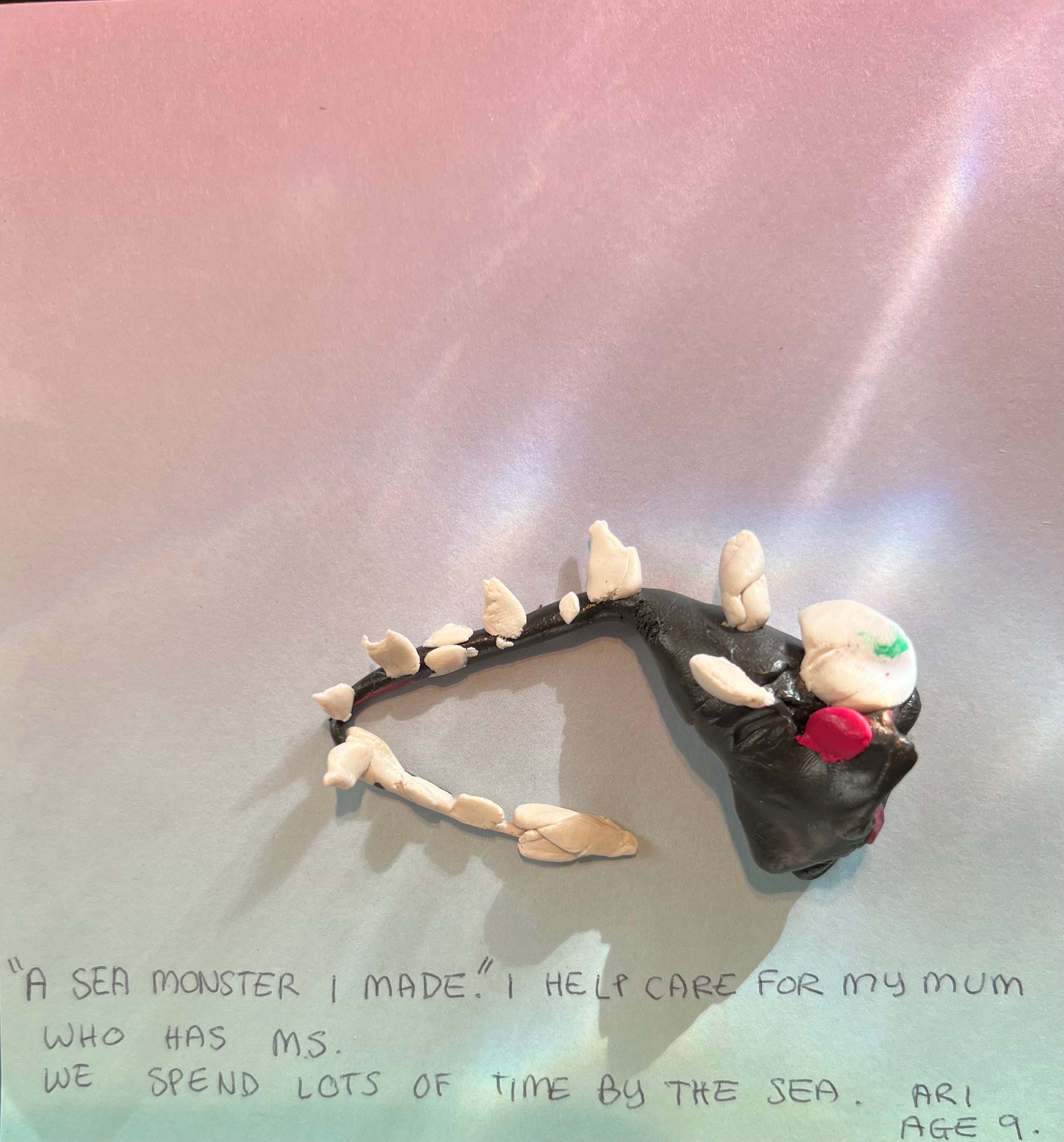
Art as connection: How Ari and Jade share creativity and care
For as long as nine-year-old Ari can remember, art has been an important part of his life. So last year, Ari’s mum Jade encouraged him to enter MS Plus’ Virtual Art Show, which celebrates a range of visual art, including paintings, illustrations, sculptures, craft, digital artwork and photography.
- News
- 25 July 2026
From hospital to home: Christine’s story
When Christine moved into MS Plus’ supported accommodation at Lidcombe Home after an extended hospital stay late last year, it had a profound impact on her health and wellbeing.
- News
- 13 July 2026
You’re not alone: How Mark found his way back from the edge
Mark was at his lowest ebb more than a decade ago. Struggling with a recent MS diagnosis and caring for his mother, who had cancer, Mark says everything was getting too much until three simple words changed everything.
- News
- 29 June 2026