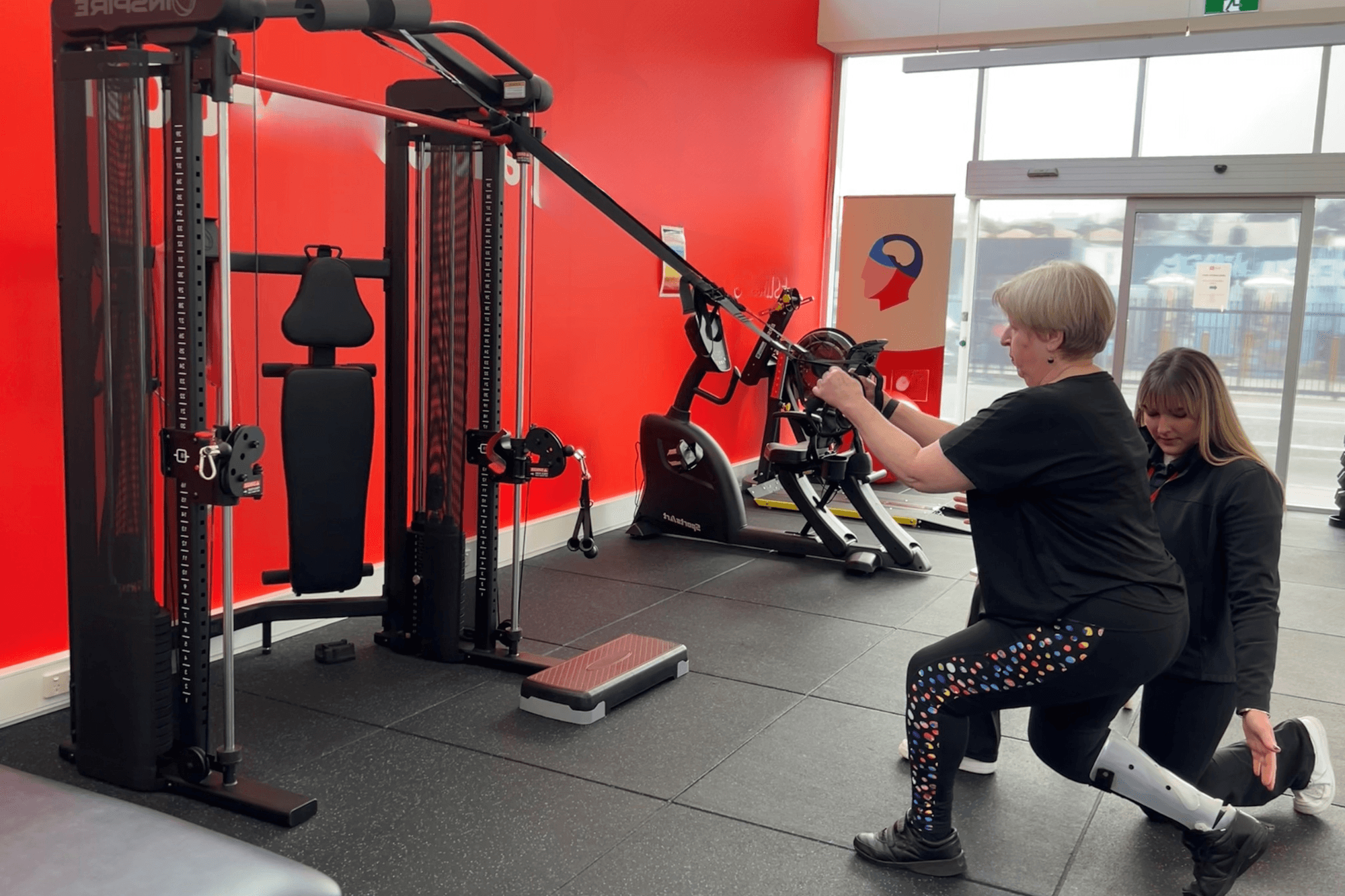
Fatigue is one of the most common symptoms of MS, with some studies showing up to 90% of people with MS experience fatigue.
For many, the term fatigue doesn’t capture the feeling of such complete loss of energy that you are simply not able to continue with an activity and a feeling of exhaustion that's out of all proportion to any activity you may have been doing. Fatigue in MS can be both physical and mental. MS fatigue is often harder to recover from than everyday tiredness, where people can bounce back more quickly.
Usually, fatigue is the result of a combination of several factors that contribute to tiredness and lack of energy. Primary fatigue in MS is thought to be due directly to the damage occurring in the brain and spine. Although the exact cause is still unclear, research to unveil the pathophysiological relationship to MS damage and fatigue is growing.
Secondary fatigue can occur due to external factors and it’s these factors that can be in a person’s control. While it can be difficult to disentangle MS related fatigue and secondary causes, focusing on what can be actioned can be helpful. While many people are aware of these secondary fatigue factors, not everyone takes the time to think about how their day to day lives may be impacting their energy levels.
Below is a quick checklist of some of the factors impacting fatigue in MS:
- Medications
- Sleep (or lack of it)
- MS symptoms
- Depression and anxiety
- Poor diet and hydration
- Stress
- Other medical conditions such as diabetes, anaemia, menopause
- Busy life schedules
Managing fatigue is based around reducing the secondary fatigue impacts where you can, taking steps to increase your energy levels and then learning how to use that energy in the most efficient way.
When trying to manage fatigue every day, it can be easy to forget to go back to basics. Often the days and months pass by, and we don’t stop to check in with ourselves, reflect on our daily lifestyle patterns and review the things that are taking and giving us energy.
Below is a simple graphic to put on your fridge, to help recognise and remember some of the energy takers and the energy givers.
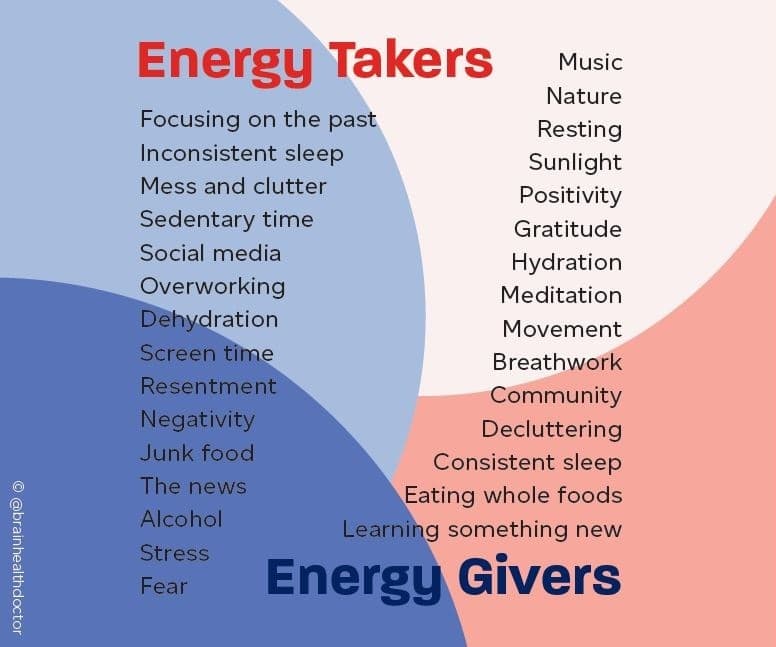
Graphic adapted from content courtesy of @brainhealthdoctor
Related articles
“You don't have to struggle alone. The help you need is all in one place”: Tamara’s story
“I had been putting off reaching out for help for a while but after that I rang MS Plus. The staff member I spoke to was super kind and so patient and reassuring and she just made me feel so much less nervous about my diagnosis.”
- News
- 29 March 2026
“When I finally got answers I thought, now that I know what it is, I can do something about it": Jemma’s story
When Jemma Rose was diagnosed with MS in 2022, her first reaction was relief. Finally, there was an explanation for many of the medical issues she’d been experiencing.
- News
- 18 March 2026

A place that feels like home: helping Beth reclaim confidence and mobility
Beth was diagnosed with MS in 2007 and has a long-standing goal to improve her core strength to reduce pressure on her legs and maintain her mobility as much as possible. She was at a bit of a loss when her previous exercise physiologist retired, until Beth was encouraged to visit MS Plus and the Hobart Wellbeing Centre, which offers a neuro friendly gym and a range of tailored services under one roof.
- News
- 9 March 2026