“When I discovered I had MS the first thing I asked myself was, ‘Okay, what do we do now? What’s next?’”
Lynne Elizabeth (L.E.), who has worked as a laboratory researcher and as a health reporter was keen to understand her next steps immediately after diagnosis.
“Some of my reaction came from my background as a researcher. I learned to be perseverant; things often don’t work out the way you’d hoped in research, so you learn to identify the problem and focus on what you can to do to move forward,” L.E. says.
L.E. was diagnosed with primary progressive MS in 2001. Her symptoms, along with fatigue, are primarily movement-related, and she started using mobility aids a couple of years after her diagnosis.
“Walking was extremely fatiguing. I spent a lot of time worrying about how I could walk from point A to B without friends and colleagues noticing how difficult it was. I was very resistant to using a scooter or wheelchair, but after a couple of years, it was apparent that I needed more than a stick to get around.
“I finally relented and started using a small scooter and then transitioned to an electric wheelchair, which was a huge adjustment psychologically. To me, the wheelchair represented disability, which did not fit my self image, and the end of life as I knew it.
“But actually, the wheelchair gave me my life back. I had stopped doing so many things because it was just too hard, and the wheels allowed me to go places, do things and meet people like I used to, so in the end, the wheelchair has made me less disabled. Now my chair is just a way to get around, to get where I need to be,” L.E. says.
L.E., volunteered with MS Plus from 2011 until recently, mostly with the Peer Support team, which she enjoyed and says was rewarding.
“Sharing information and giving and receiving support from your peers is so important for living well with MS. I have benefitted so much from peer support groups over the years.”
L.E. says having a chronic condition has changed her for the better in a lot of ways. She thinks of her MS-self as L.E. 2.0, new and (somewhat) improved.
She says she has become more patient. Everything takes longer than it did before and she has learned to just stop, take a breath and not get frustrated (most of the time). L.E. says that she is also more tolerant and less likely to judge others.
“When you’re circling the carpark looking for that illusive open disability parking spot, it’s easy to get angry with the person stepping out of their car with no obvious physical disability. But then I remember when I was first diagnosed, I could walk just fine for a few meters but after that it became really difficult. I’ve learned that it’s important to look at the other side and give the benefit of the doubt. You can’t assume what someone is going through or what their limitations are.”
L.E. credits her experience as a health reporter for helping her accept and live well with MS.
“As a health reporter, I interviewed a lot of people with chronic conditions and realised pretty quickly that those who were living well had a positive outlook and good coping mechanisms; they had found a way to focus on what they could do rather than dwelling on what they couldn’t do or change. I’m grateful for the examples they set.”
L.E.’s best advice for newly diagnosed people is don’t despair.
“There’s no doubt that MS is confronting and scary diagnosis, but the current MS treatments are pretty effective and continue to improve for both the relapsing-remitting and progressive forms of the disease. I think there is good reason to believe that newly diagnosed people will live healthy productive lives.”
Additionally, L.E. encourages people with MS of all ages and abilities to exercise regularly, particularly exercises that help maintain bone density—osteoporosis is a risk most people don’t think about.
“Exercise makes me feel good physically and it’s something I can do to take control, which is a psychological boost.”
Finally, she says, always look for the silver linings. They can be well hidden, but sometimes finding even a small one can improve your outlook.
Related articles
“You don't have to struggle alone. The help you need is all in one place”: Tamara’s story
“I had been putting off reaching out for help for a while but after that I rang MS Plus. The staff member I spoke to was super kind and so patient and reassuring and she just made me feel so much less nervous about my diagnosis.”
- News
- 29 March 2026
“When I finally got answers I thought, now that I know what it is, I can do something about it": Jemma’s story
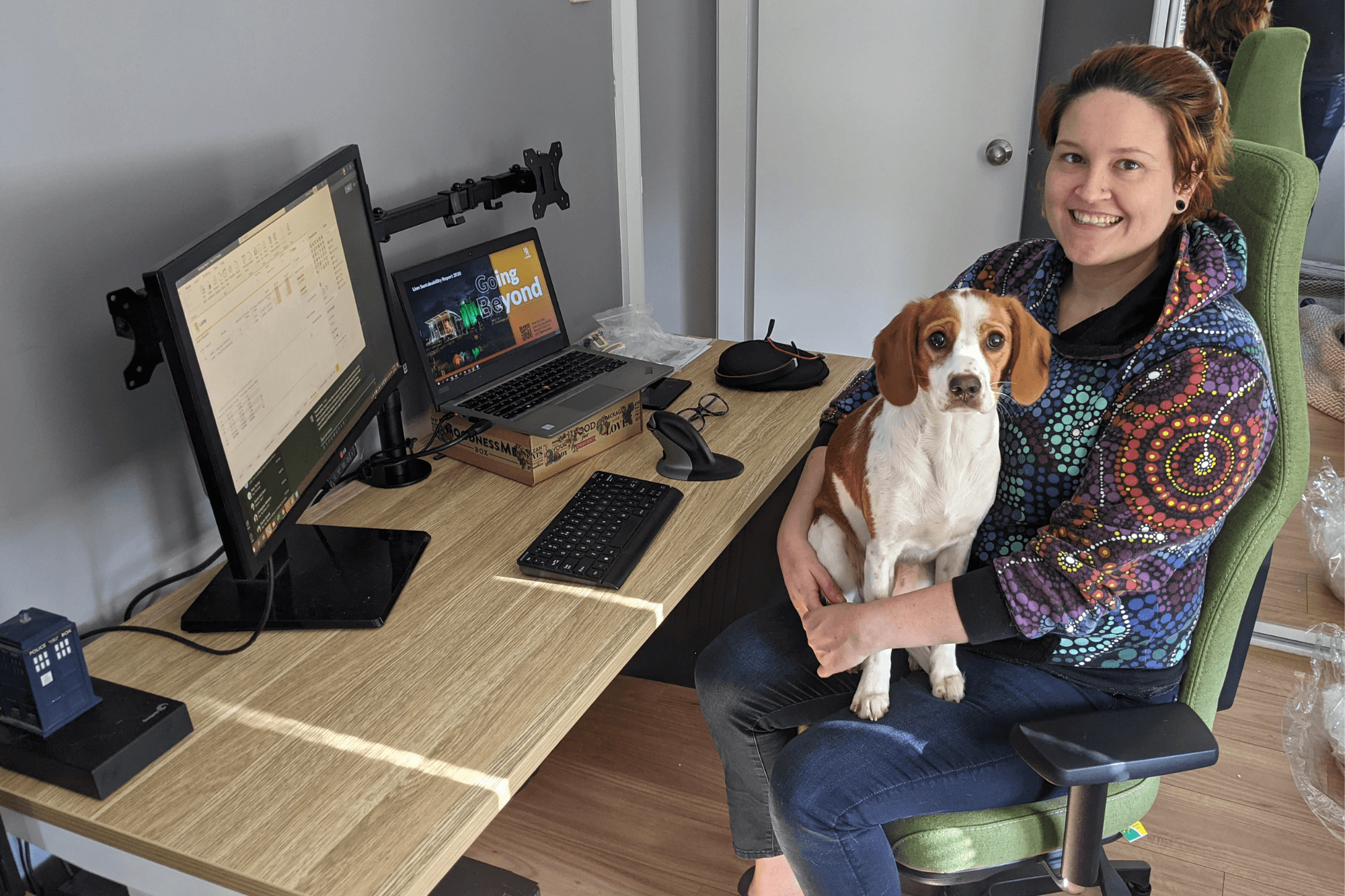
When Jemma Rose was diagnosed with MS in 2022, her first reaction was relief. Finally, there was an explanation for many of the medical issues she’d been experiencing.
- News
- 18 March 2026
A place that feels like home: helping Beth reclaim confidence and mobility
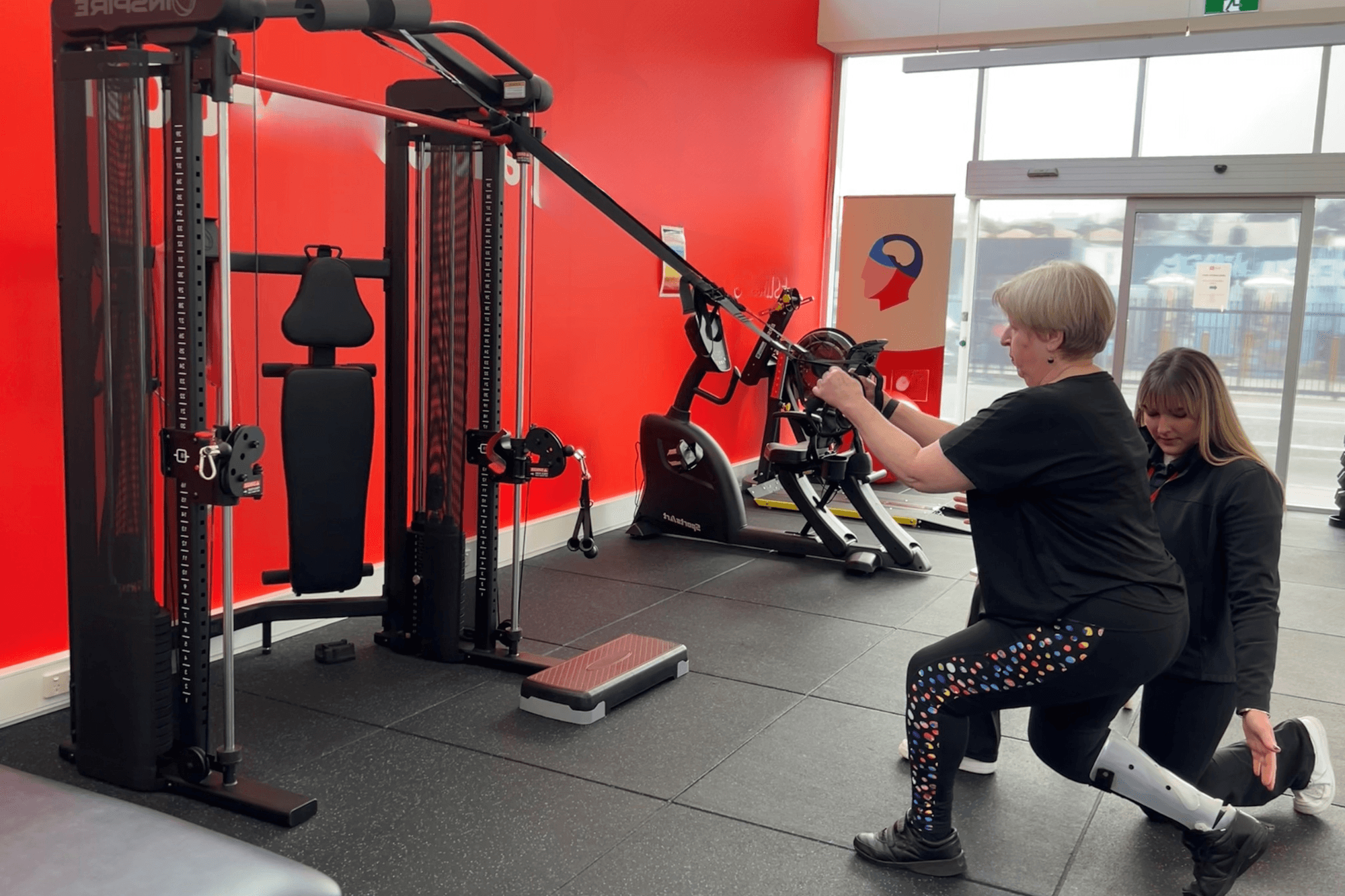
Beth was diagnosed with MS in 2007 and has a long-standing goal to improve her core strength to reduce pressure on her legs and maintain her mobility as much as possible. She was at a bit of a loss when her previous exercise physiologist retired, until Beth was encouraged to visit MS Plus and the Hobart Wellbeing Centre, which offers a neuro friendly gym and a range of tailored services under one roof.
- News
- 9 March 2026