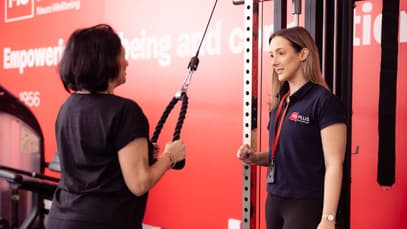
Living with MS means facing a wide range of physical, cognitive and lifestyle challenges that can change over time. For many people, symptoms such as muscle weakness, fatigue, balance issues and difficulties with daily tasks are a part of everyday life. While there’s no cure for MS yet, a coordinated allied health care approach can make a profound difference in managing symptoms, maintaining independence and enhancing quality of life.
At organisations like MS Plus, allied health professionals work together as a team to support people with MS across all facets of daily living. Their combined expertise not only helps manage symptoms but also empowers individuals to live well, achieve personal goals and remain as active and engaged as possible.
Holistic support through an allied health team
A coordinated allied health care approach brings together different specialists who each address unique aspects of MS care. Instead of working in isolation, these professionals collaborate — sharing insights, tracking progress and tailoring care plans around the person’s goals and changing needs.
Here’s how key allied health disciplines contribute:
Physiotherapists
Physiotherapy plays a central role in MS management by focusing on movement, strength and mobility. Physiotherapists assess gait, balance and flexibility, and design tailored interventions to improve function and prevent falls or complications. Through targeted therapies and movement strategies, they help clients maintain independence in everyday activities. MS Plusopens in new tab
Exercise Physiologists
Exercise physiologists specialise in clinical exercise prescription that complements physiotherapy and supports overall health. They create personalised exercise programs that consider MS symptoms, fatigue levels and fitness goals. Evidence shows that combining exercise with therapeutic care enhances strength, endurance and energy levels — essential elements for managing chronic neurological conditions. Collaborating with physiotherapists and other therapists ensures exercise plans complement other treatments seamlessly.
Occupational Therapists
Occupational therapists focus on functional independence. They help people with MS adapt to daily challenges — whether that’s dressing, cooking, managing household tasks or maintaining work routines. By analysing how symptoms impact daily life, occupational therapists recommend strategies, assistive technology and environment adjustments to make activities easier and safer.
Dietitians and nutrition experts
Nutrition is another key pillar in managing MS symptoms and overall wellbeing. Dietitians work with clients to develop eating plans that support immune health, maintain healthy weight and optimise energy. There’s growing research highlighting the role of dietary patterns — such as Mediterranean-style diets — in supporting long-term health outcomes for people living with MS. Their guidance helps individuals make evidence-based choices that complement physical therapies and long-term wellbeing.
Why care coordination makes a difference
When allied health professionals collaborate effectively, the benefits go beyond the individual contributions of each discipline:
- Personalised, integrated care: a shared strategy means every part of the care plan aligns with the client’s overall goals and medical profile.
- Improved communication: regular communication between therapists ensures everyone understands the client’s progress, challenges and adaptations needed over time.
- Holistic progress: combining physical therapy, exercise, functional adaptations and nutrition support not just symptom management but whole-person wellbeing — including mental and emotional health.
- Smooth transitions: a coordinated team can respond quickly to changes in symptoms or life goals, adjusting care without duplicated efforts or fragmented services.
Managing multiple sclerosis isn’t a one-size-fits-all journey. A coordinated allied health approach recognises the complexity of MS and delivers comprehensive, person-centred care. By blending the expertise of physiotherapists, exercise physiologists, dietitians and occupational therapists, people living with MS can experience more consistent support, greater independence and a better quality of life — every step of the way.
Reach out today to access support from our allied health team, phone 1800 042 138 or connect@msplus.org.au
Related resources
Understanding supported accommodation: a practical guide for people with chronic neurological conditions
Specialist Disability Accommodation (SDA) funding is available through the National Disability Insurance Scheme, but it is one of the most complex supports to access. Understanding the process and preparing strong evidence can significantly improve your chances of approval.
- +1
- 8 June 2026
Supports for carers of patients with neurological conditions
Carers and informal supports are often an integral part of the care network for people living with neurological conditions. They often take on complex and sustained responsibilities, balancing multiple roles, and many with limited formal support. Health professionals are well positioned to identify early signs of strain, promote preventive strategies, and facilitate access to appropriate services.

- +1
- 25 May 2026
Dispelling the myth of the ‘MS diet’ with MS Plus Dietitian Julie Orr
Managing diet in the context of MS can feel like navigating a maze of conflicting information. Our Dietitian Julie Orr sheds light on the correlation between diet and MS and provides clear, actionable advice for those living with this condition.

- 11 May 2026