Plan ahead for a smoother experience
A successful trip starts with good research. Before booking, look closely at your destination’s accessibility. Check:
- Step-free access at accommodation and attractions
- Accessible public transport or taxi services
- Proximity to medical centres and pharmacies
- Climate and how it may affect your symptoms
If possible, call ahead to confirm accessibility details. Clear communication about your needs when booking flights, hotels or tours helps avoid misunderstandings later.
Consider hiring essential equipment at your destination instead of travelling with bulky items. Mobility scooters, electric beds or hoists can often be arranged in advance, reducing the strain of navigating airports with large equipment.
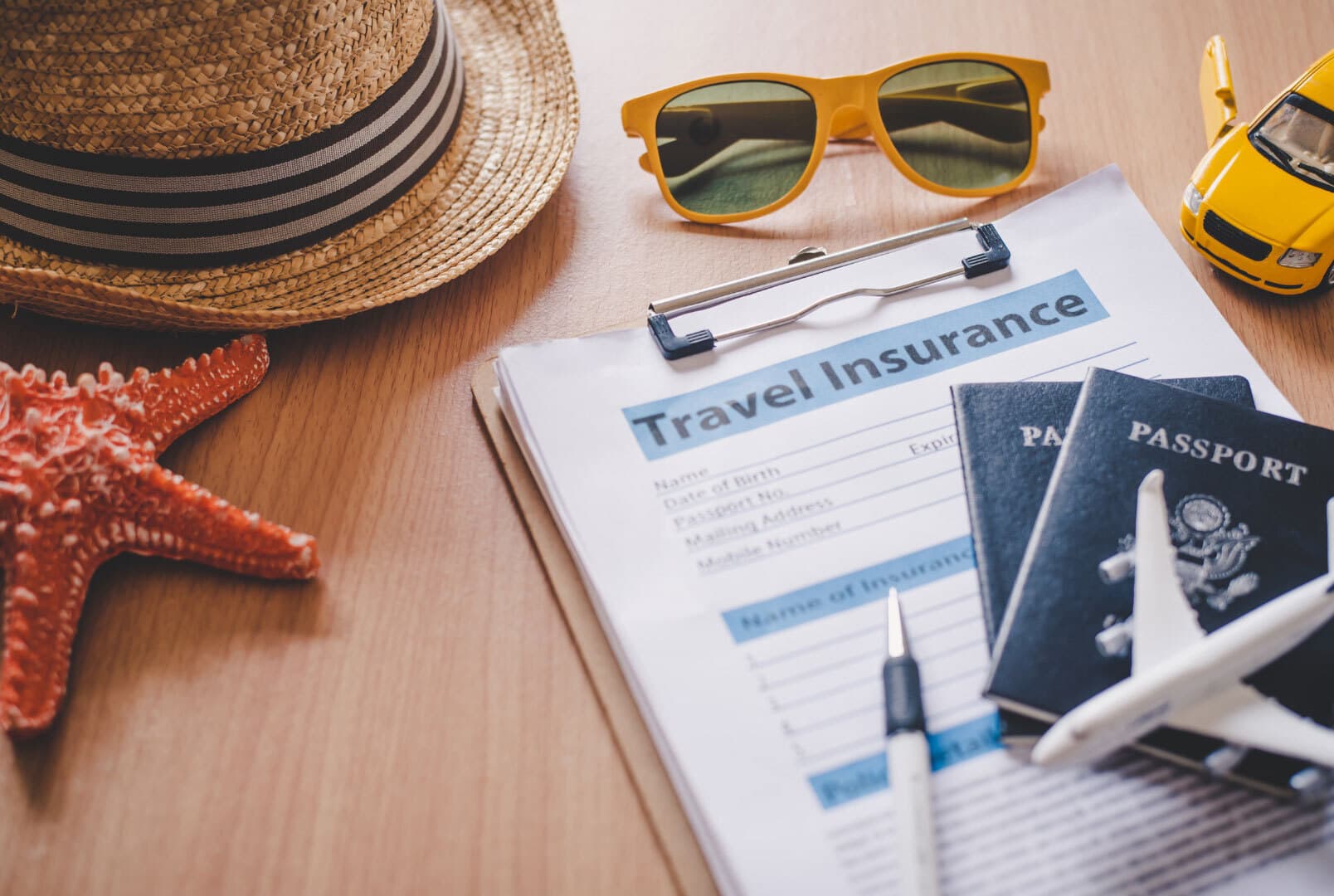
Comprehensive travel insurance is also essential. Make sure your policy covers pre-existing conditions and any disability-related requirements, giving you peace of mind if plans change.
Pack smart and stay organised
Packing with intention can significantly reduce stress. Create a checklist that includes:
- Medications (plus extra in case of delays)
- Prescriptions and relevant medical letters
- Mobility aids and chargers
- Symptom-management items
- Emergency contact details
Keep medications in their original packaging and place essential items in your carry-on luggage in case checked bags are delayed.
If travelling with a wheelchair or mobility device, contact your airline well in advance to confirm handling procedures and battery requirements. For those travelling with a service animal, ensure you have the correct documentation and have checked airline and destination regulations ahead of time.
Understand your supports
If you’re a participant in the NDIS, you may be able to access funding for disability-related supports while travelling.
While the scheme does not fund general holiday expenses such as flights or accommodation, it may cover “reasonable and necessary” supports, including:
- A support worker to assist during your trip
- Hire of essential mobility or personal care equipment
Speak with your provider or support coordinator before travelling to understand what your plan allows and to organise supports in advance.
Navigate with confidence
Airlines are required to provide assistance to passengers with disability. Contact your airline at least 48 hours before departure to arrange support such as help with check-in, wheelchair assistance or priority boarding.
Allow extra time at airports, stations and attractions. A buffer reduces pressure and makes it easier to manage fatigue if delays occur.
Accessible travel apps can also help you find step-free routes, accessible toilets and nearby services, making unfamiliar places easier to navigate.
Most importantly, build flexibility into your plans. Travel can be unpredictable, but patience and preparation go a long way. By planning ahead, communicating your needs and using available
supports, you can travel in a way that prioritises both comfort and enjoyment, and continue exploring the world on your terms.
Related resources
Understanding supported accommodation: a practical guide for people with chronic neurological conditions
Specialist Disability Accommodation (SDA) funding is available through the National Disability Insurance Scheme, but it is one of the most complex supports to access. Understanding the process and preparing strong evidence can significantly improve your chances of approval.
- +1
- 8 June 2026
Supports for carers of patients with neurological conditions
Carers and informal supports are often an integral part of the care network for people living with neurological conditions. They often take on complex and sustained responsibilities, balancing multiple roles, and many with limited formal support. Health professionals are well positioned to identify early signs of strain, promote preventive strategies, and facilitate access to appropriate services.

- +1
- 25 May 2026
Dispelling the myth of the ‘MS diet’ with MS Plus Dietitian Julie Orr
Managing diet in the context of MS can feel like navigating a maze of conflicting information. Our Dietitian Julie Orr sheds light on the correlation between diet and MS and provides clear, actionable advice for those living with this condition.

- 11 May 2026