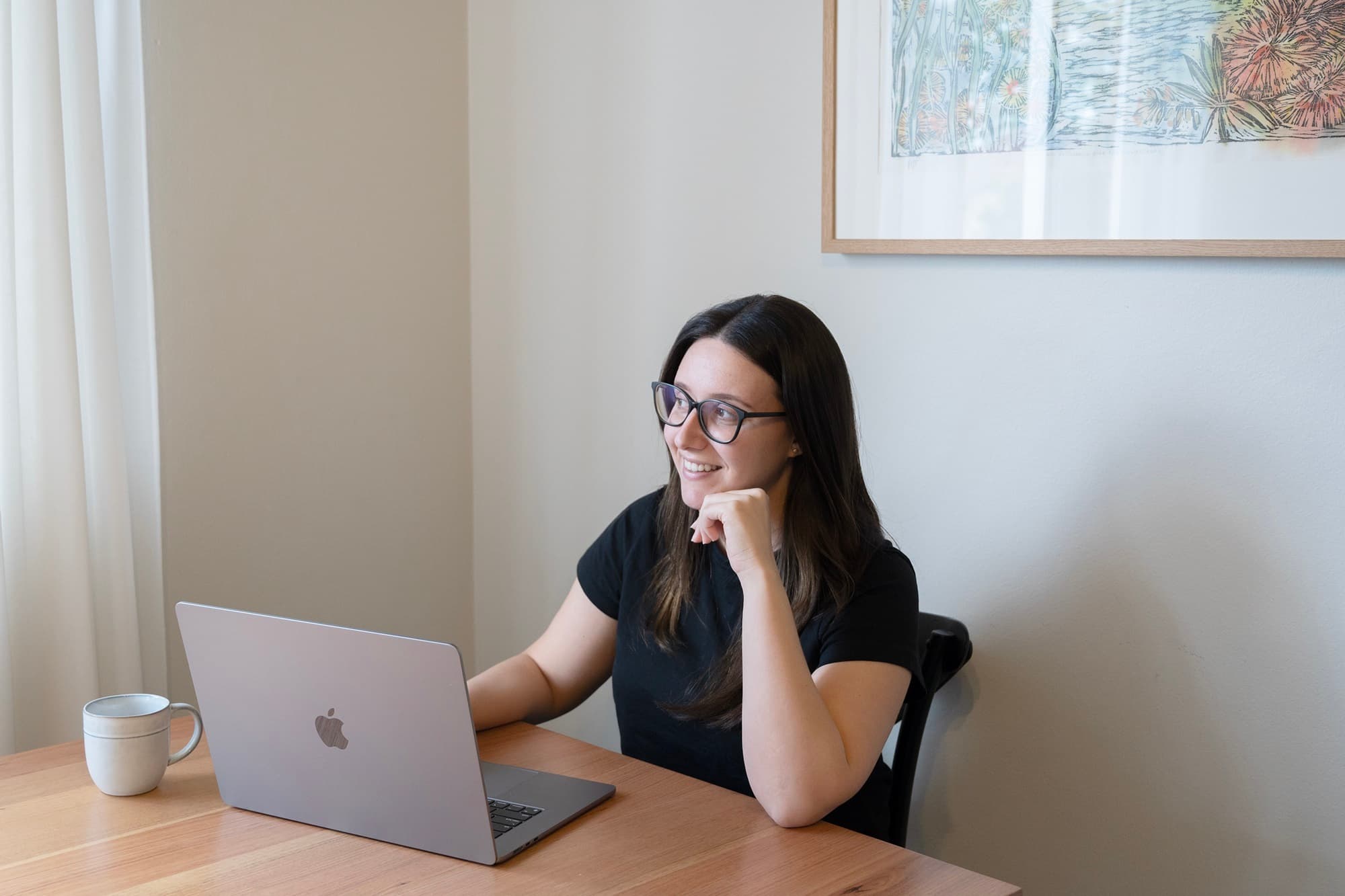
For Connie, multiple sclerosis (MS) isn't just a diagnosis, it’s a thread that has been quietly woven through her life since childhood.
'I first had symptoms at 12, blurry vision, fatigue, pain. It was so hard to explain what was happening,' she says. 'It wasn’t until years later that I finally got answers.'
Diagnosed with MS in her early 20s, her journey has transformed personal hardship into professional purpose. Now aged 26, Connie’s world is a balance of ambition and awareness.
She recently began a PhD exploring the diagnostic experiences of others with MS, work deeply informed by her own story.
'My diagnosis gave me insight into the mental toll of medical uncertainty,' she explains. 'It inspired me to shift my academic focus toward better understanding the diagnostic delays people face and how that impacts their wellbeing.'
'I’m researching the prolonged time to diagnosis because I lived that. The uncertainty nearly broke me. But I want to turn that into something constructive.'
Her early symptoms were misattributed to things like chronic fatigue. Even after taking a year off school, her concerns were often overlooked. It wasn’t until numbness crept into her arms and legs that she pushed harder for answers, eventually leading to a diagnosis confirmed by MRI scans.
While the diagnosis came as a shock, it also brought clarity. 'It made sense of everything,'
Connie says. 'I remember reading a quote from Selma Blair about her own diagnosis. She said it wasn’t panic, but a kind of knowing. That’s exactly how I felt.'
Even with that understanding, Connie struggled to accept her new reality. 'I didn’t tell my friends for a while. I was afraid they’d see me differently. I felt embarrassed, even though I knew I shouldn’t.'
MS can be an invisible illness, and Connie still experiences days when fatigue takes over or heat triggers nerve pain. 'Some days I feel like I can do anything,' she laughs. 'Others, the smallest task feels like climbing a mountain. I’ve learned to be kind to myself.'
Her connection to MS Plus began before her diagnosis was official. 'I called an MS nurse during that agonising waiting period. I didn’t expect much, but it was amazing. They validated my symptoms and helped me understand what I was experiencing. That made a big difference to my self-esteem.'
Connie’s resilience comes from her supportive family, her partner, and her own inner strength.
'I used to think asking for help was weakness,' she says. 'Now I know it’s one of the bravest things you can do.'
With the help of an MS Plus Go for Gold Scholarship, Connie is investing in a laptop to power her studies. But her greatest resource might be her unwavering hope. 'I’ve learned that MS doesn’t have to define or limit you. It’s part of my life, but it hasn’t stopped me chasing my dreams.'
'I hope this work can help future patients feel less alone, and less uncertain.'
Connie’s message for others newly diagnosed with MS is about empowerment. 'Learn to advocate for, and be gentle with, yourself. Learn to speak up, but also let others lift you when you need it. You’re not alone.'
To reach out for a free chat with an MS Nurse Advisor or find out what other supports are available to you, phone 1800 042 138 or email connect@msplus.org.au
This Christmas you can help light the way for Australians with MS - Help light the wayopens in new tab
Pictured: Connie with her new MS Go for Gold Scholarship funded laptop. Apply for your own Go for Gold scholarship today!opens in new tab
Related articles
Finding purpose through peer support: Matt's story
After receiving support from MS Plus following his MS diagnosis, Matt now gives back as a volunteer, creating connection and support for other men living with MS.
- 24 October 2026
Support to keep working: Santo’s story
Discover how MS Plus Employment Support Service has helped Santo stay employed for 30 years after his MS diagnosis through personalised workplace support.
- 19 October 2026
Your spring and summer wellbeing guide
Make the most of spring and summer with practical tips for managing heat sensitivity, staying active, conserving energy and supporting your wellbeing while living with MS or another neurological condition.
- 15 October 2026