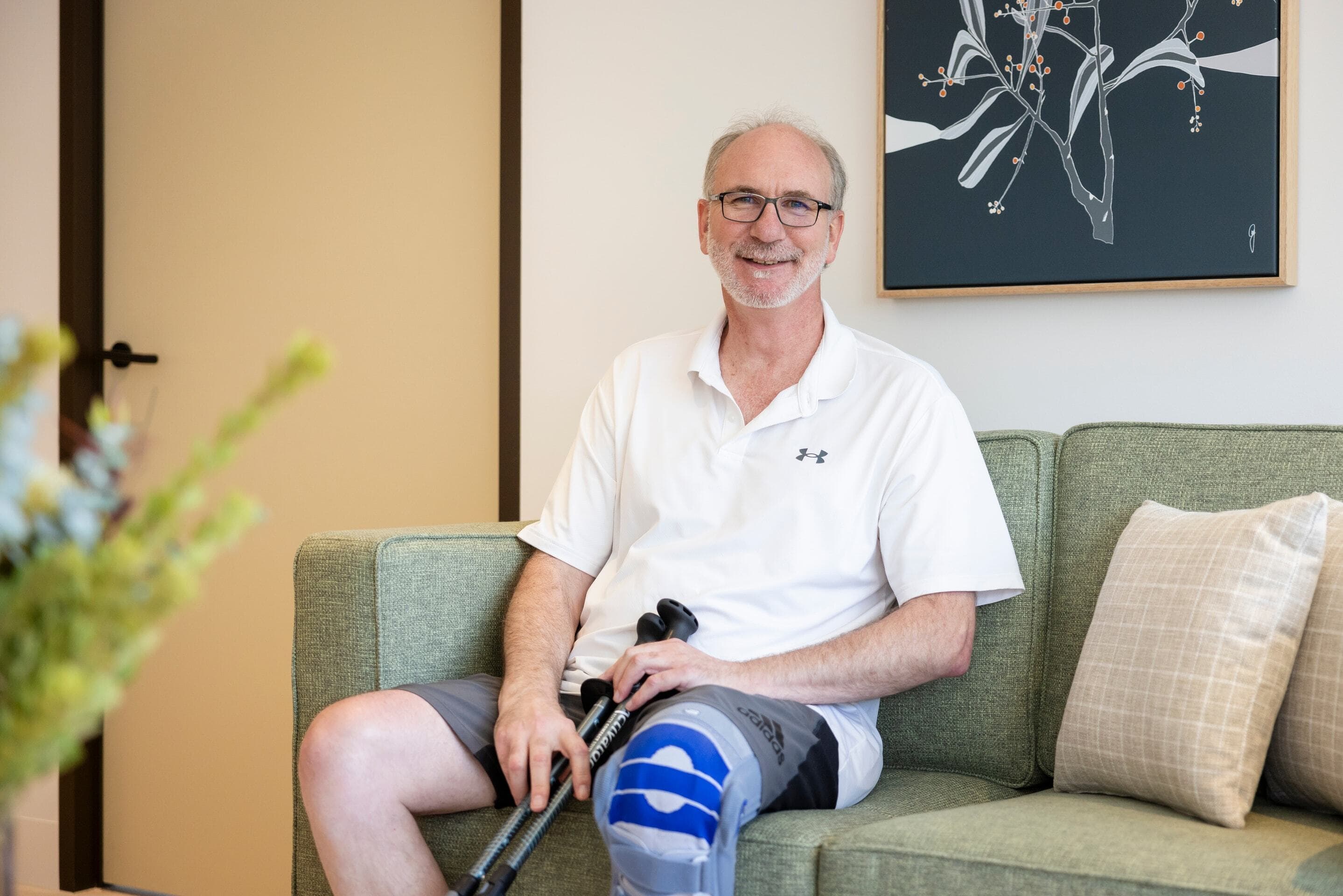
David doesn't know where his MS will take him, but he’s determined not to let it define him. And through his leadership of an MS Plus Peer Support group, he’s encouraging others to stay positive and socially active.
David has loved cricket since he was a kid and continued to play long into his adulthood. But by his mid '40s, odd things were happening to his body. His left leg fatigued quickly and would drag behind him at times. Running was difficult. To David’s annoyance, other blokes seemed to be going strong, but he had to stop playing.
'I thought I was just getting old,' he explains. But bladder issues appeared, and he went through two lots of surgery (probably needlessly). David’s job involved complex mathematics, and he found himself lagging cognitively.
'I didn't know why, so I got frustrated,' he says. 'The youngsters at work started calling me "a grumpy old man".'
David’s partner even worried he might be struggling with alcoholism due to his mobility issues.
The relief of finally knowing
After 15 years of frustration and misdiagnosis, David was finally diagnosed with primary progressive multiple sclerosis (PPMS) in 2020. He was relieved – both for himself and his partner. But there was shock and loss too. 'At the time, Betty Cuthbert was the only person I knew of with MS. I now know that everybody’s MS is different, but at the time my first thought was that I’d need a wheelchair.'
David’s diagnosis happened just before the COVID lockdowns. Within a year, he had lost his job. He’s a stoic person, but he admits that he went through some dark times with his mental health.
Losing one team – and finding another
David's experience highlights the importance of specialist MS care and getting the right kind of support. After years of generic exercise programs that weren't meeting his needs, he made the decision to seek help from an exercise physiologist at an MS Plus Wellbeing Centre. The difference was immediately apparent.
'When I saw the physio and he saw what I was going through – the drop foot, not walking properly, my knee hyperextending all the time – he got me on all these contraptions to help with that,' David explains. His ankle flexibility has improved from 60 degrees to nearly 90 degrees, and he walks more comfortably now.
David played his part too. He put in the work at the gym and made modifications to his diet.
It’s not the same as playing cricket, but today David is still part of a team. He has a neurologist, exercise physios, a dietitian and access to other specialists through MS Plus – and it’s made a difference to his enjoyment and participation in life.
New connections
Rather unexpectedly, David found himself drawn into the Peer Support Program with MS Plus. He was told about the groups by his MS Plus physio, and went along to some catchups. He enjoyed himself, and before he knew it, David was training to lead a Peer Support group.
Today, David runs a highly engaged group that meets once a month. They’ve found a great venue that’s comfortable and fully accessible, and people come for the connection, a laugh or two, and the opportunity to be around others who ‘get it’.
'For some people, it’s not necessarily talking about our disease, it's more the friendly face and conversation and getting out of the house,' David observes. He likes to move around the group to chat with everyone, and make sure new members feel welcome. People in the group have formed friendships, and others appreciate the advice or tips they pick up.
Some Peer Support groups connect online, but David loves catching up with people in person.
'It brings something out in you, helps distract you a little bit from your own stuff. I like that the people in our group arrive with good attitudes and smiling faces – and most of us just enjoy the chance to get out and about.'
'Don’t let this thing rule your life'
David’s approach to MS is one of pragmatic positivity. He knows that PPMS typically involves progression over time. He’s hoping for the ‘Holy Grail’ of a cure, but until then, he’s focused on what he can control now.
Since his diagnosis, he's embraced travel extensively – visiting Europe multiple times, exploring New Zealand, taking an Arctic trip complete with a polar plunge, and riding the Indian Pacific.
His approach includes humour, and he’s happy to ‘stir’ his exercise physiologist in their regular sessions. 'I make jokes all the time because if you can't laugh, you'll slip into a depression – and smiling is infectious.'
And, David gets a fair bit of satisfaction from helping others through his involvement in the MS Plus Peer Support Program.
Up next
Through specialist care, community connection, and a determined approach to ‘not let this thing get you’, David has created a framework that others can learn from.
MS might have changed his life’s trajectory, but David’s going into bat for its quality.
You can Donate Now to support others living with MS.opens in new tab
If you're interested in MS Plus Peer Support, contact our friendly Plus Connect team on 1800 042 138 or email connect@msplus.org.au
Related articles
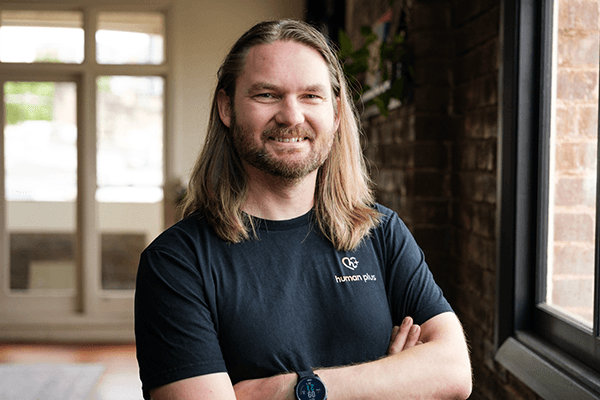
Finding purpose through peer support: Matt's story
After receiving support from MS Plus following his MS diagnosis, Matt now gives back as a volunteer, creating connection and support for other men living with MS.
- 24 October 2026
Support to keep working: Santo’s story
Discover how MS Plus Employment Support Service has helped Santo stay employed for 30 years after his MS diagnosis through personalised workplace support.
- 19 October 2026
Your spring and summer wellbeing guide
Make the most of spring and summer with practical tips for managing heat sensitivity, staying active, conserving energy and supporting your wellbeing while living with MS or another neurological condition.

- 15 October 2026