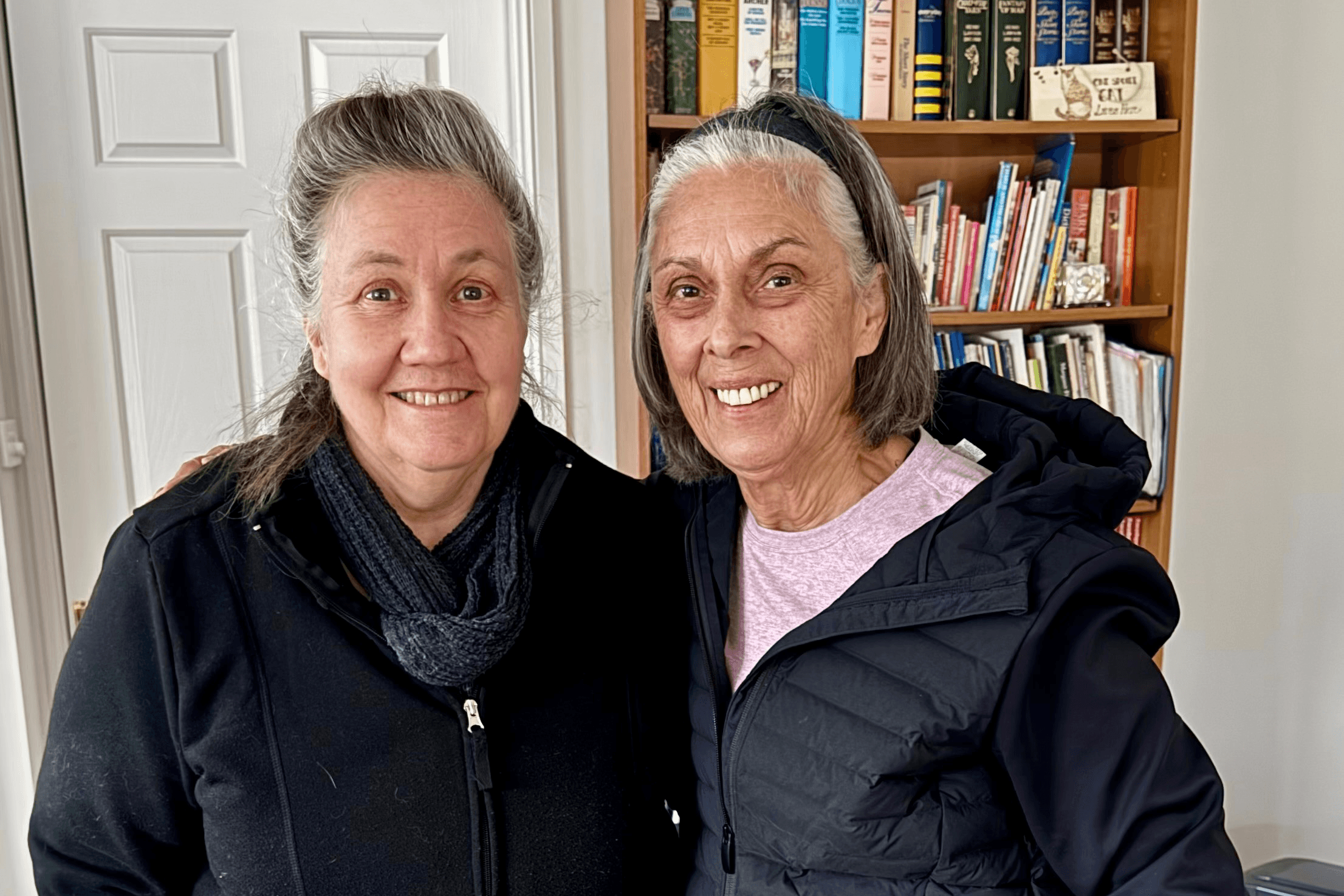
At MS Plus Lidcombe Wellbeing Centre, occupational therapist Christine is passionate about helping people with multiple sclerosis (MS) and other neurological conditions stay independent and engaged in the activities that matter most to them.
Her interest in occupational therapy began with a personal experience that showed her the life-changing impact small changes can make.
“My journey into OT started at home,” Christine says. “I watched my grandma’s OT modify her bathroom with a few clever modifications, allowing her to shower independently again. Seeing that immediate return of dignity and freedom hooked me. I chose to focus on neurological conditions because I love the creative problem-solving required to navigate the unique complexities of MS.”
A practical, everyday approach to support
When someone living with MS or another neurological condition comes to see Christine, she focuses on understanding how their condition affects their everyday life and routines.
“I like to think of myself as a 'lifestyle architect'," Christine says. "We sit down together and look at your typical day to see where the friction is. Whether it’s finding a tool to help with buttoning a shirt, suggesting a different way to prep dinner, or modifying your home layout, I’m here to find the workarounds that keep you in the driver’s seat of your own life.”
By identifying practical solutions and adaptations, Christine helps people find ways to keep doing the activities that are important to them.
Tailoring support for every person with MS
Christine emphasises that there is no single approach to occupational therapy because everyone’s experience of MS is different.
“I think there is no such thing as a standard OT program because there is no standard person,” Christine says. “I start by listening to what matters most to you, whether that’s being able to play with your kids, returning to work, or simply making a cup of tea safely. We look at the physical, emotional, and environmental factors together to ensure the plan fits your specific life and your specific energy levels.”
By focusing on the whole person and their goals, Christine works with people to build strategies that support both independence and wellbeing.
Clearing up common misconceptions about occupational therapy
Christine also hopes to clear up a common misunderstanding about occupational therapy.
“Some people think OTs only focuses on work or employment. However, occupation actually refers to all meaningful daily activities. For people with MS, OT supports everyday tasks like dressing, cooking, managing fatigue, and staying engaged in hobbies and social activities.”
A simple tip to conserve energy
Christine also shares simple strategies people with MS can try at home to manage fatigue and conserve energy.
“I’m a big fan of the ‘Sit whenever possible’ rule!” Christine says. “Using a perch stool while you brush your teeth, prep vegetables, or fold laundry saves a surprising amount of energy. By banking that energy during chores, you’ll have more left over for the activities you actually enjoy.”
Book an appointment with our occupational therapy team
If you or a loved one are living with MS or another neurological condition and would like support from our occupational therapy team, you can learn more about our services and how to access them through MS Plus.
We have allied health professionals across Victoria, New South Wales and Tasmania, and can also provide services via telehealth depending on your location. Visit our website to find out more about occupational therapy and other allied health services available through MS Plus.
Related articles
Making the best of it: Greg’s story
After a delayed MS diagnosis, Greg found strength in family, treatment and peer support. Read his story of resilience, adaptation and connection.
- News
- 7 September 2026
Meet Duncan: the volunteer who shows up every day
Meet Duncan, a dedicated MS Plus volunteer whose 20+ years of service, reliability and quiet commitment have helped support people living with MS and other neurological conditions.
- News
- 24 August 2026

The power of Peer Support: Marianne and Marie’s story
Marianne and Marie met through MS Plus Peer Talk and formed a lasting friendship, showing the power of peer support for people living with MS.
- News
- +1
- 10 August 2026