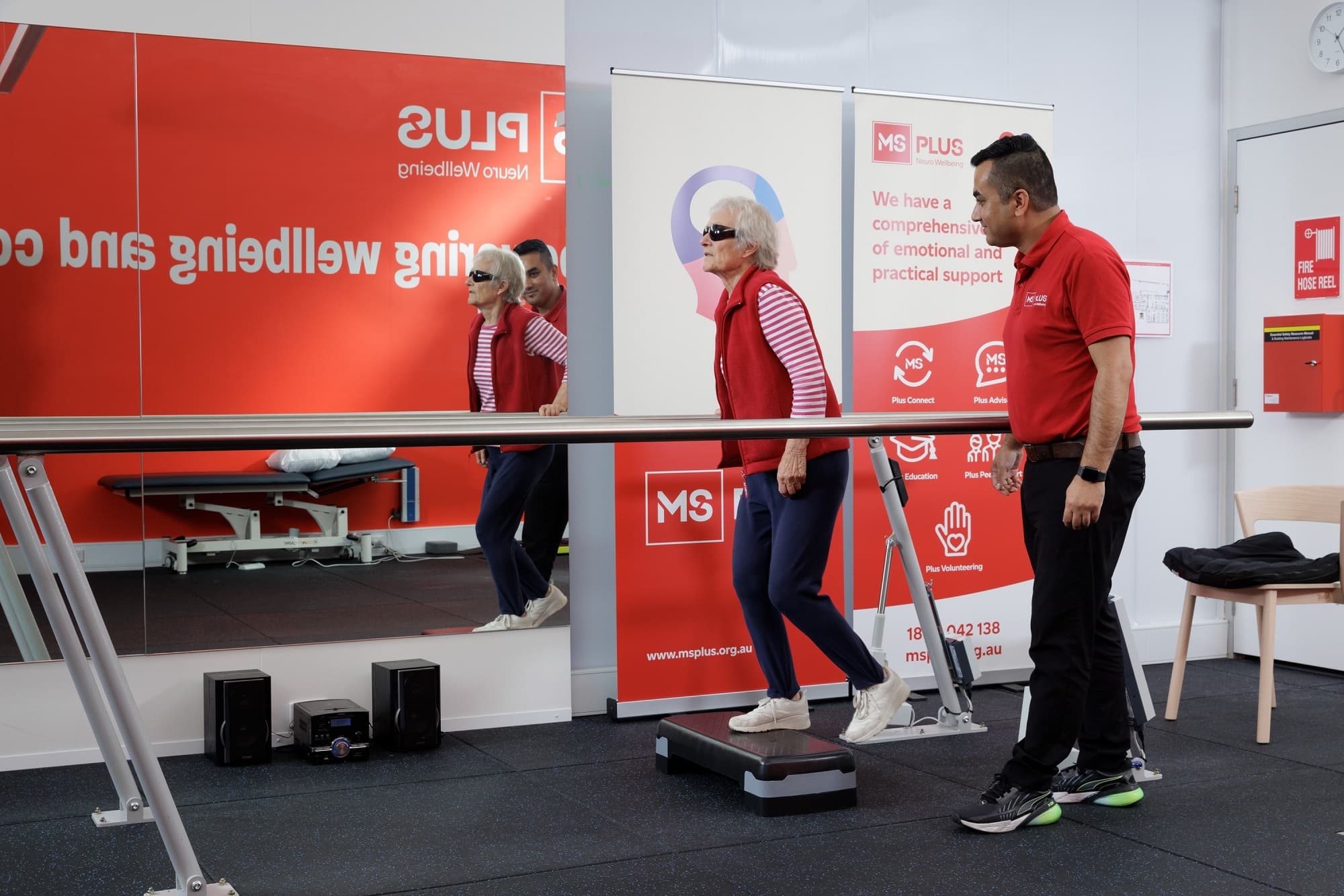
Exercise can play a significant role in improving the quality of life for those living with multiple sclerosis (MS) and other neurological conditions.
Physiotherapists, especially those specialised in neurological conditions, are instrumental in guiding individuals with MS towards physical and overall wellbeing. Neuro-specialised physiotherapists boast a profound understanding of neurological symptom identification and management, biomechanics, optimising daily functionality, and addressing specifics such as gait, balance and coordination.
The primary goal is to tailor treatment programs that suit an individual's unique condition, goals and lifestyle needs.
Differentiating between physiotherapists and exercise physiologists
Neuro Physiotherapist Jack Wong says a common confusion often arises between the role of physiotherapists versus exercise physiologists.
'Both professions serve overlapping roles, especially in a neurological setting, but they contribute uniquely to the wellness of people with MS,' Jack says.
'Physiotherapists focus on an individual's function through movement retraining, functional activities, task practice and symptom management. While exercise physiologists work on impairments such as balance, strength, and endurance. Together, they ensure that an individual's physical capacity is maximised.'
Unpacking myths about MS and exercise
There are several myths surrounding exercise and MS. A prevalent concern is whether exercise might exacerbate symptoms. While temporary worsening of symptoms due to heat sensitivity or fatigue occurs, it is important to remember these changes are not permanent and preventable with effective monitoring.
Adequately structured exercise programs can alleviate symptoms like fatigue, weakness and deconditioning, as well as significantly enhance quality of life, daily functioning and physical wellbeing.
The psychological and physical benefits of exercise
Jack says exercise can sometimes feel daunting, especially for those dealing with MS-related fatigue. It's vital, however, for clients to focus on the long-term benefits, such as improved neurological health and overall well-being.
'The reinforcement of fun and socialisation in exercise, whether through joining group classes or mixing different activities, can boost motivation and engagement. Having novelty and mental stimulation in exercises makes it engaging and can promote neuroplasticity which may improve symptoms,' Jack says.
Finding the right exercise for the individual
For those with MS, there is no one-size-fits-all approach to exercise. Whether it's high-intensity interval training or movement retraining, the choice depends on individual ability, goals and preferences. Consulting a neuro physiotherapist can help tailor an exercise plan that meets both immediate and future health goals without overwhelming the individual.
Exercise inclusivity: physical activities vs. structured exercises
Physical activity is beneficial for everyone, including those with neurological conditions. Gardening, walking, or having a physically demanding job all contribute to overall physical activity. However, for targeted MS management, including ability-appropriate targeted exercises might be necessary to promote long-term wellbeing.
Rehabilitation and relapse recovery
During relapses, maintaining physical activity is crucial. While rest is essential, continuous movement helps retain strength and mobility even in challenging times. Rehabilitation, whether inpatient or outpatient, focuses on regaining as much functionality as possible through a coordinated approach by a multidisciplinary team.
'Exercise is a powerful tool for managing MS, offering physical, neurological and physiological benefits,' Jack says.
'The journey begins with recognising individual needs and working closely with healthcare professionals. Whether through self-funded sessions, NDIS or GP referrals, accessing physiotherapy services can set a robust foundation for a healthier future,' Jack says.
MS Plus physiotherapists and exercise physiologistsopens in new tab are available to support clients navigating a neurological condition.
Related resources
Understanding supported accommodation: a practical guide for people with chronic neurological conditions
Specialist Disability Accommodation (SDA) funding is available through the National Disability Insurance Scheme, but it is one of the most complex supports to access. Understanding the process and preparing strong evidence can significantly improve your chances of approval.

- +1
- 8 June 2026
Supports for carers of patients with neurological conditions
Carers and informal supports are often an integral part of the care network for people living with neurological conditions. They often take on complex and sustained responsibilities, balancing multiple roles, and many with limited formal support. Health professionals are well positioned to identify early signs of strain, promote preventive strategies, and facilitate access to appropriate services.

- +1
- 25 May 2026
Dispelling the myth of the ‘MS diet’ with MS Plus Dietitian Julie Orr
Managing diet in the context of MS can feel like navigating a maze of conflicting information. Our Dietitian Julie Orr sheds light on the correlation between diet and MS and provides clear, actionable advice for those living with this condition.

- 11 May 2026