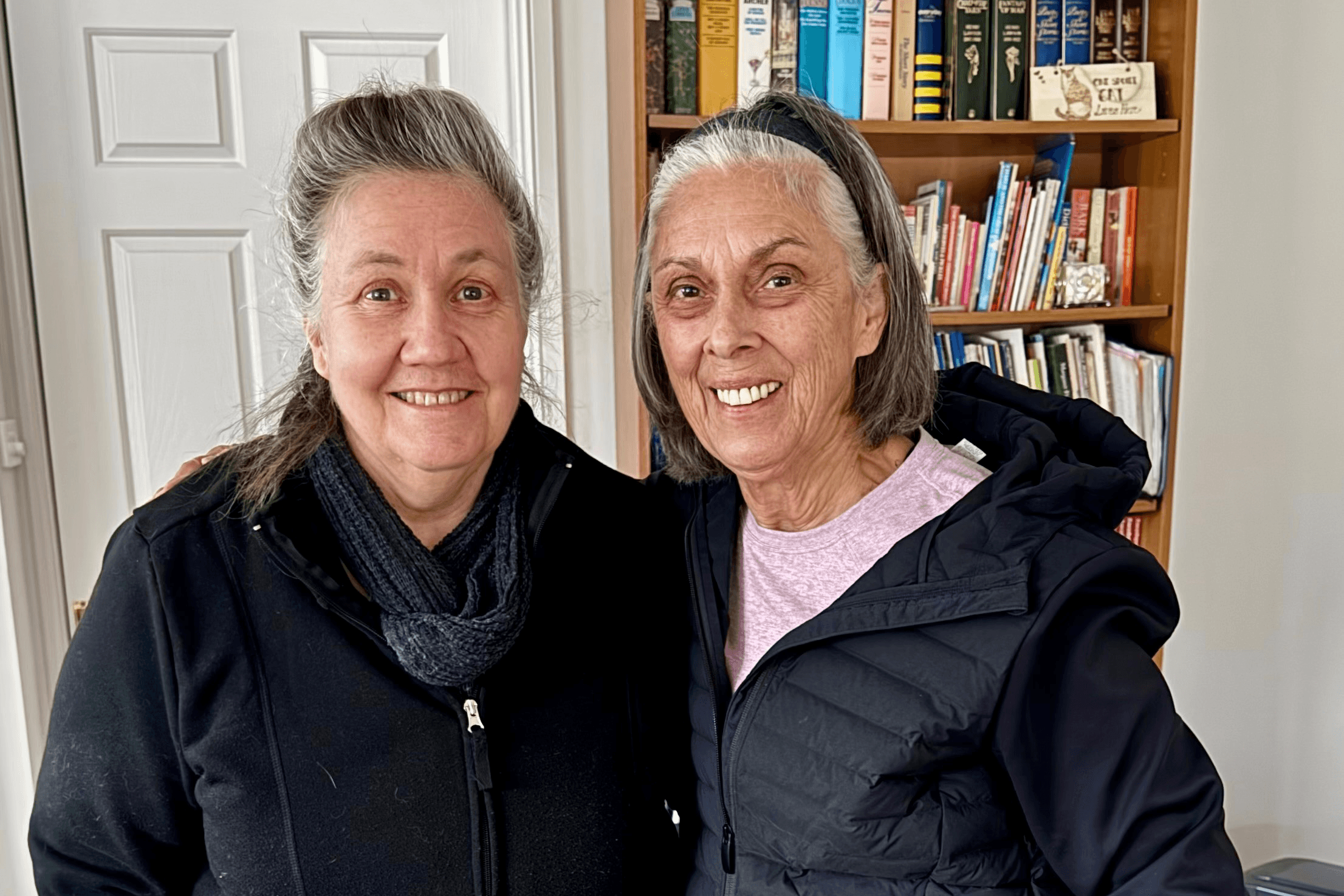
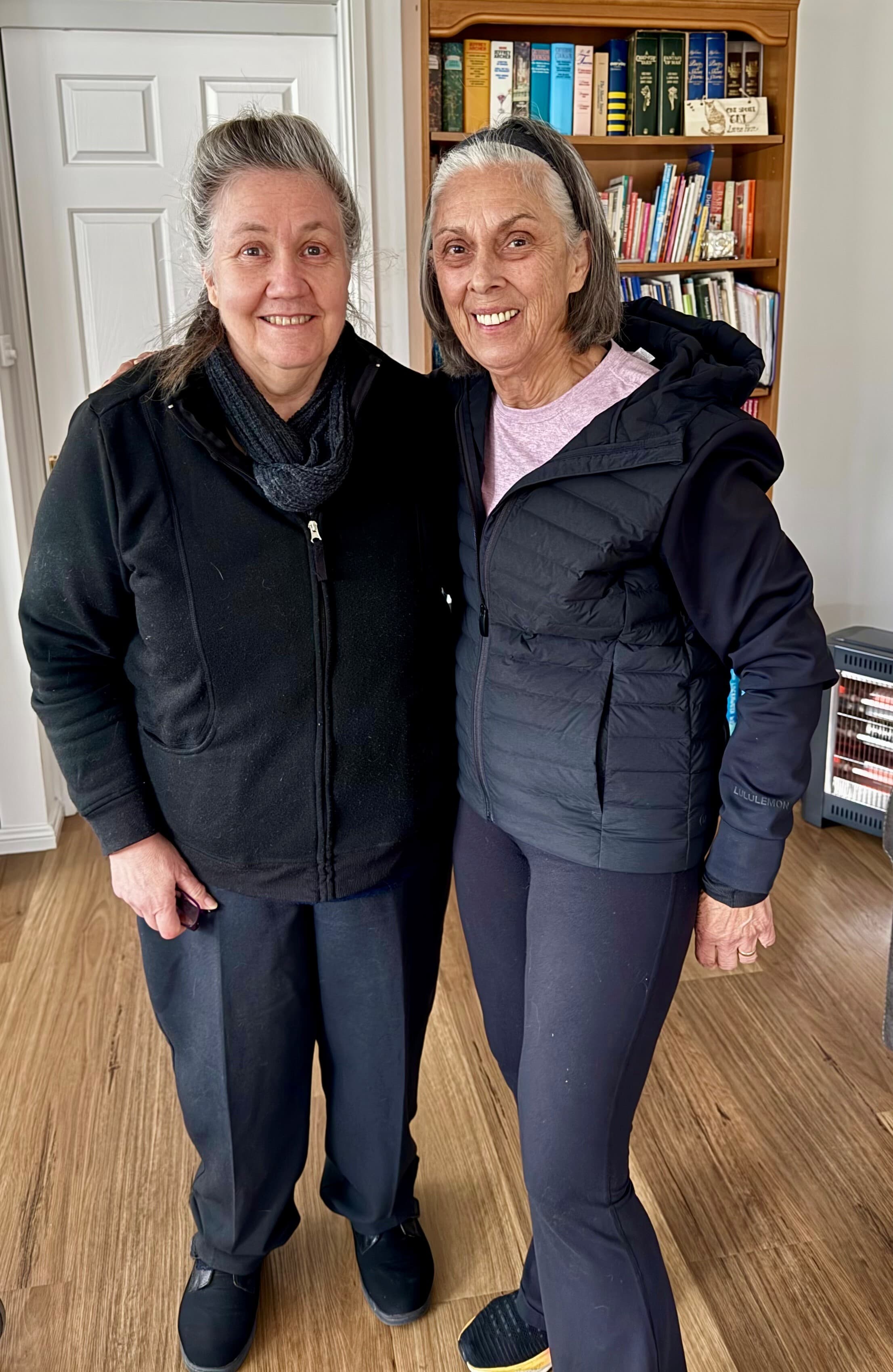
The friendship between Marianne and Marie is like any other friendship. They touch base regularly to talk about their lives, their families and what they’ve been up to. Sometimes, but not always, they’ll talk about their shared experience with multiple sclerosis (MS).
Marianne and Marie met last year through MS Plus’ one-on-one phone support program Peer Talk, a peer support program which Marianne is a volunteer for.
“We’ve been talking since about May last year and we’ve formed such a close and happy relationship that I would be devastated if we didn’t speak anymore,” says Marianne.
“We talk about anything and everything. Marie does hydrotherapy on Tuesday and Thursday mornings so we work around that. There isn’t a set day or time that we get together, but we normally talk two or three times a month,” she says.
For Marie, having the support of Marianne who also lives with MS, is greatly appreciated after regularly encountering people who don’t understand MS or how it impacts her.
“It’s hard to find somebody with MS especially living in a rural town so you can feel like you’re on your own and isolated from help. For me, 99 per cent of the people in Wagga Wagga where I live don’t have a clue about MS. People often say to me ‘you look good’ and they can’t understand that I don’t feel good,” she says.
“It’s so important to have contact with somebody going through the same battle that you are who isn’t judging you, and understands there are things you physically can’t do, which some others don’t understand because I look OK.”
Marie was diagnosed with MS in 2019 and was connected with Peer Talk through her support team.
“I told people that I need somebody I can communicate with that understands what I’m going through, and am really grateful that I’ve met Marianne through the program,” she says.
For Marianne, volunteering as a mentor is as beneficial to her as it is for the people she supports.
“I started getting involved with MS Plus as a volunteer during COVID, at first I started supporting a virtual group and the people I met are still part of my life and like family now,” she says.
“From there, I set up a local group here in Tamworth and was asked if I wanted to try one-on-one volunteering. I was given access to training which is really important because in the past I’ve spoken to people where I’ve been concerned about their wellbeing and the training has helped me know how to navigate that.
“I have six or seven people I speak to on a regular basis, and it’s a lovely way to spend the day. I always feel on a high after we’ve spoken.”
To learn more about Peer Talk and MS Plus’ other Peer Support Programs for people, families and carers affected by multiple sclerosis, visit https://www.msplus.org.au/support-services/connecting-with-your-community/peer-support.
Related articles
Ask Nurse Amy: Staying cool and confident this summer
Learn why heat can worsen MS symptoms and discover practical strategies to stay cool, manage fatigue, stay active and enjoy summer with confidence.
- 14 October 2026
Supporting independence every day
Discover how occupational therapists help people with MS build independence, manage fatigue, stay connected and achieve their goals with practical strategies and support.
- 14 October 2026
How our services are changing lives: Measuring what matters
Discover how MS Plus services are improving quality of life, independence and wellbeing, with measurable outcomes that show the impact of specialist care.

- 14 October 2026