
Navigating workplace disclosure: your rights and options
For individuals diagnosed with MS, deciding whether to disclose their condition at work can be a significant and personal decision. Understanding your rights and obligations concerning disclosure can empower you to make informed choices that best suit your situation.
- Employment, Finances, Government Support
- 3 February 2026

Quick tips to support your NDIS application
While MS is a lifelong condition, symptoms can vary widely. This means not everyone with MS will qualify for the NDIS. Eligibility is based on whether MS causes a permanent and substantial impact on daily living. Even if symptoms fluctuate, you may still meet the criteria if the overall effect on function is ongoing and likely to continue. Understanding this distinction can help you decide whether applying is the right step.
- NDIS, My Aged Care and Govt. Support
- 20 January 2026

Menopause as a transition: embracing your next chapter with MS
For many women with MS, menopause can feel like yet another curveball — but it doesn’t have to be a fearful one. While menopause brings big changes to hormones, body and mood, emerging research offers reassuring news: menopause itself does not necessarily worsen disability in MS.
- Women's health
- 6 January 2026

Caring for the carer
This National Carers Week webinar explores the experiences and needs of carers, highlighting communication, self-care and emotional wellbeing. Panelists from Vision Australia, Carer Gateway and MS Plus share practical advice on recognising burnout, accessing support services, and maintaining balance in caring roles. The session provides strategies and resources to strengthen resilience and sustain the vital role carers play.
- Personal Stories
- +1
- 22 October 2025
MS Integrated Care Framework
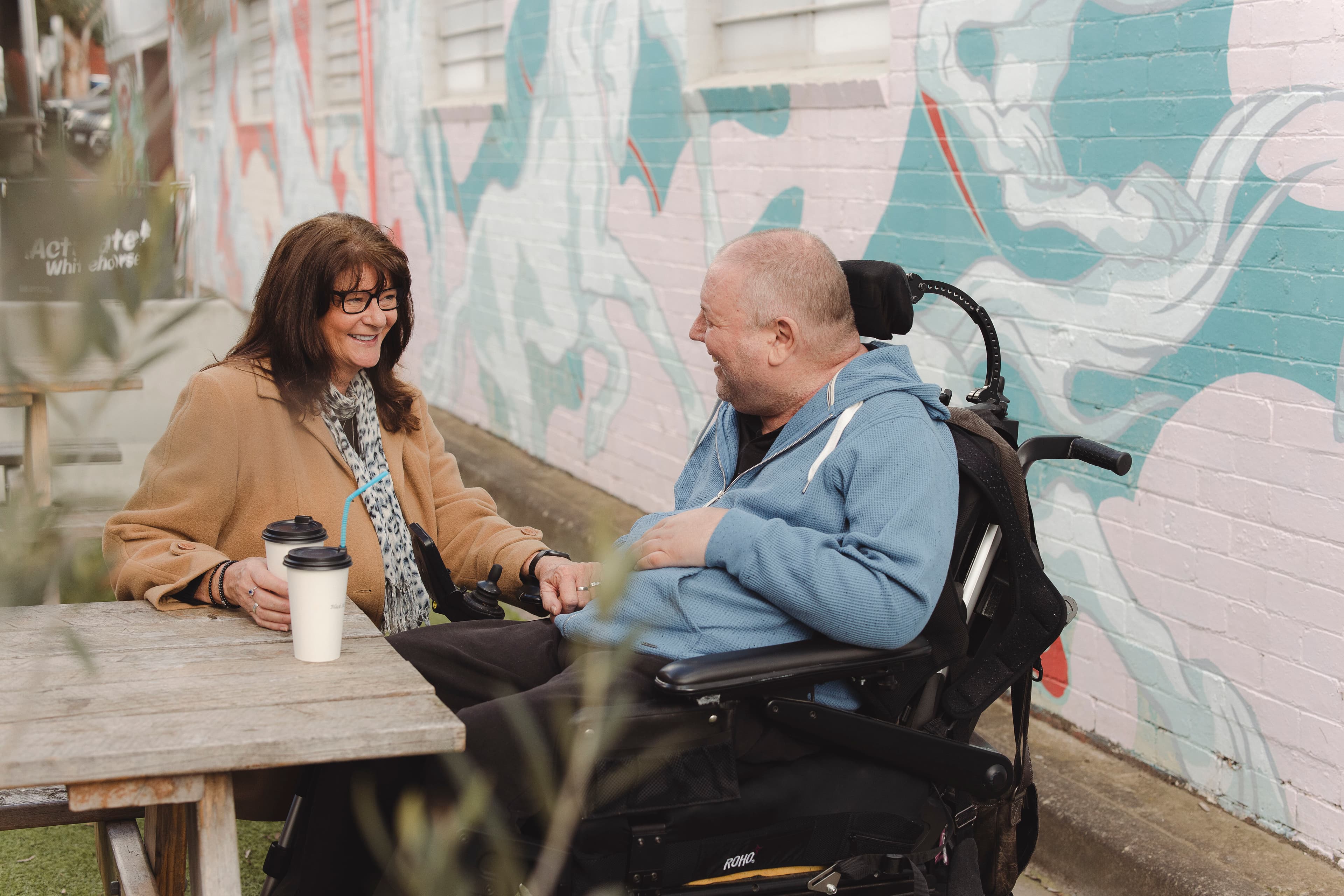
The MS Integrated Care Project, led by MS Plus with Westmead Hospital, involved over 380 people with MS and health professionals across NSW to better understand experiences of MS care. The resulting MS Integrated Care Framework captures these insights and sets out key recommendations to improve outcomes for people with MS.
- Resources for health professionals
- +2
- 26 August 2025

Understanding the complexities of caring for residents with MS
Caring for residents in supported accommodation with MS and other neurological conditions can be challenging and complex, given the variability of symptoms and personal experiences.
- Resources for health professionals
- +1
- 31 July 2025

Helping patients manage uncertainty and anxiety in MS
Uncertainty and anxiety are significant concerns for individuals living with chronic neurological conditions such as multiple sclerosis (MS). Uncertainty, defined as a state of incomplete knowledge, frequently triggers feelings of anxiety – an evolutionary response marked by worry, restlessness and heightened vigilance.
- Resources for health professionals
- 31 July 2025

Navigating neuropathic pain in MS
Neuropathic pain is caused by damage or dysfunction of the nervous system, often due to trauma, surgery, disease or chemotherapy. Unlike nociceptive pain, which results from actual or potential tissue damage in areas like muscles, joints, or internal organs, neuropathic pain originates from malfunctioning nerves themselves.
- Resources for health professionals
- 31 July 2025

Exercise as a tool for managing MS
Exercise can play a significant role in improving the quality of life for those living with MS and other neurological conditions. Physiotherapists, especially those specialised in neurological conditions, are instrumental in guiding individuals with MS towards physical and overall wellbeing. Neuro-specialised physiotherapists boast a profound understanding of neurological symptom identification and management, biomechanics, optimising daily functionality, and addressing specifics such as gait, balance and coordination.
- Exercise and Mobility
- +2
- 3 July 2025
Finding balance: improving stability with MS
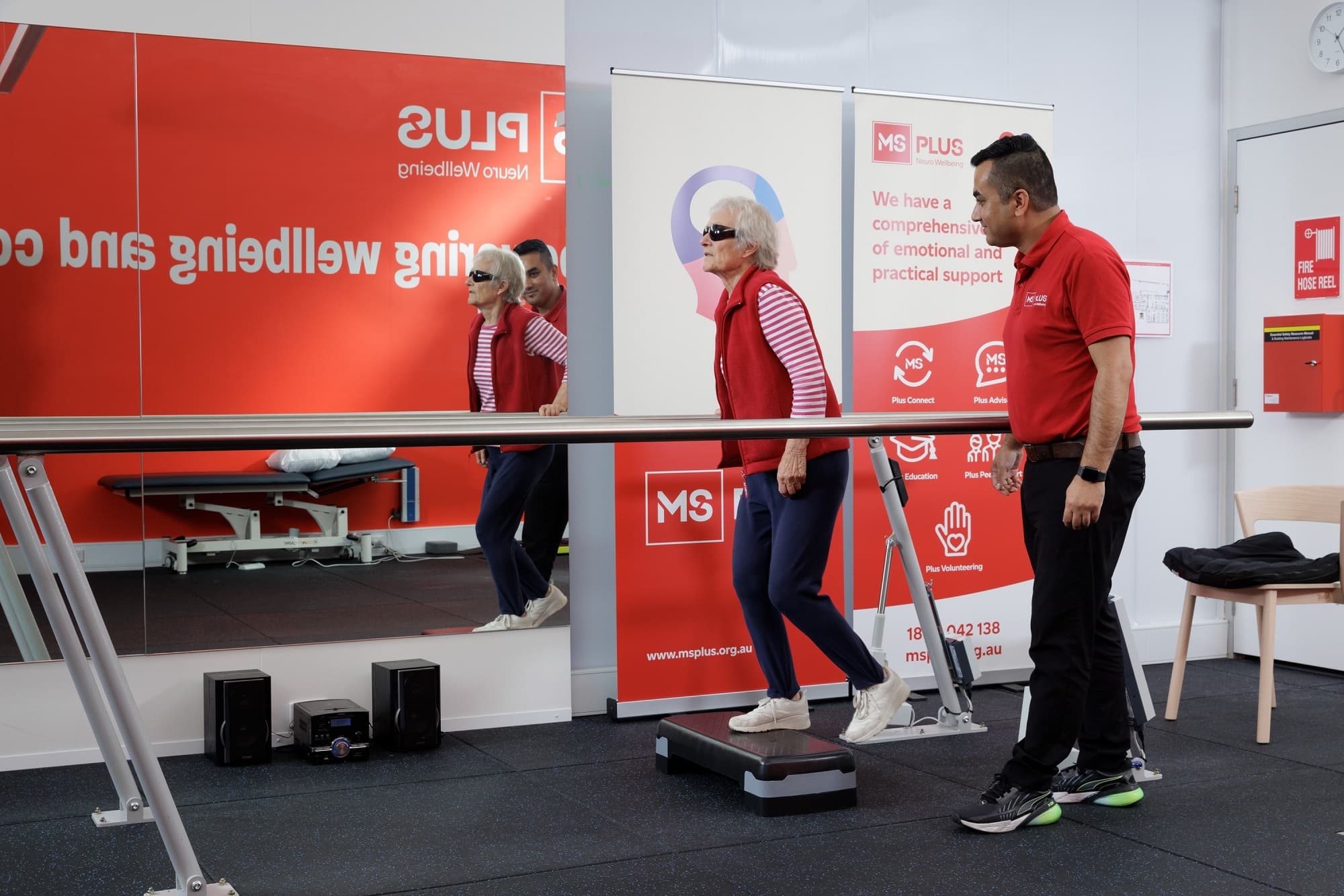
Living with MS can profoundly impact various aspects of life, with balance-related issues being among the most challenging. Here we explore the complexities and strategies related to maintaining balance when living with MS, based on insights from Exercise Physiologist (EP), Caitlin Jerkovic from our Footscray Wellbeing Centre.
- Exercise and Mobility
- +1
- 2 July 2025

MS in the workforce: support and strategies for success
In today's rapidly changing work environment, managing a chronic condition such as MS and other neurological conditions poses unique challenges, particularly in the workplace. Neurological conditions can impact various aspects of employment, including fatigue, cognitive and physical challenges, and the need for workplace adjustments.
- Employment, Finances, Government Support
- +1
- 30 June 2025

Brain Health and Cognition with Dr Cynthia Honan
In this recorded session, Dr Cynthia Honan, talks about the ways in which diet, exercise, and sleep might improve cognition and mental functioning. Dr Honan gives practical tips for improving cognition and mental functioning as well as some other everyday practical tips for managing cognitive symptoms and fatigue.
- Relapse and symptoms
- +1
- 11 April 2025